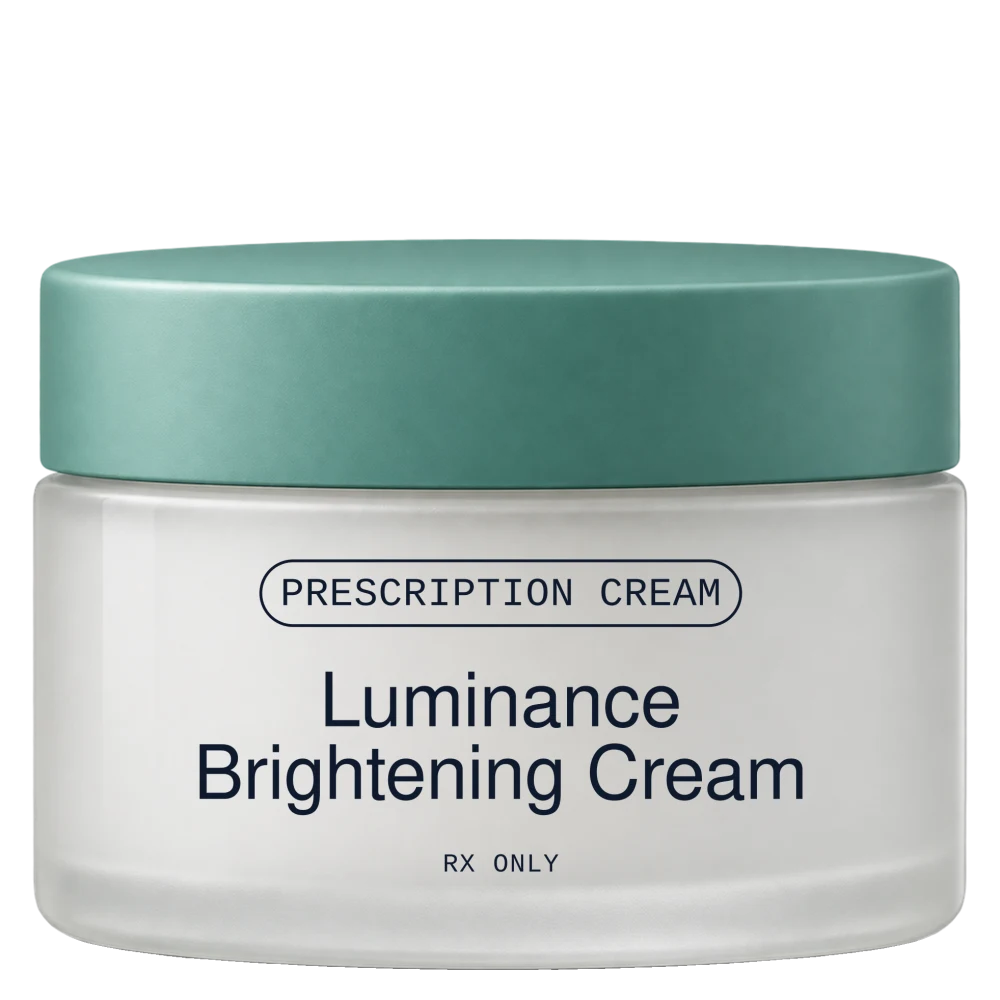
Luminance Brightening Cream
Cream. As your physician directs.
$149/moFor stubborn dark patches. Your physician decides whether to use both.
Compounded medication, not FDA approved
Compounded medication, not FDA approved
The most widely studied retinoid for sun-aged skin, and a mainstay of acne care. 1 thin layer at night for smoother texture, fewer fine lines, clearer pores and a more even tone.
$149 a month
Cream. As your physician directs.
A vitamin A-derived topical retinoid used for acne and for signs of skin aging.
Selected: 2 months. 2-month package $248.
No appointment needed. Complete the intake online. A licensed physician reviews it and calls only if needed.
Opens the secure patient portal. No health questions are asked on this website.
Your skin renews itself all the time. New cells rise to the surface and old cells shed. With age and years of sun, that renewal slows down. Old cells sit on the surface longer, pores clog, and your skin makes less collagen, the protein that keeps it firm and smooth.
Tretinoin is the most widely studied retinoid for sun-aged skin. In a 16-week trial, 14 of 15 people who used it on their face saw their skin improve. Acne guidelines give retinoids like tretinoin a strong recommendation.
Medications are sourced directly from US-based, state-licensed pharmacies to ensure the highest standards of safety, consistency, and quality in compounded formulations.
Retinoids should not be used during pregnancy, and treated skin burns more easily in sunlight.
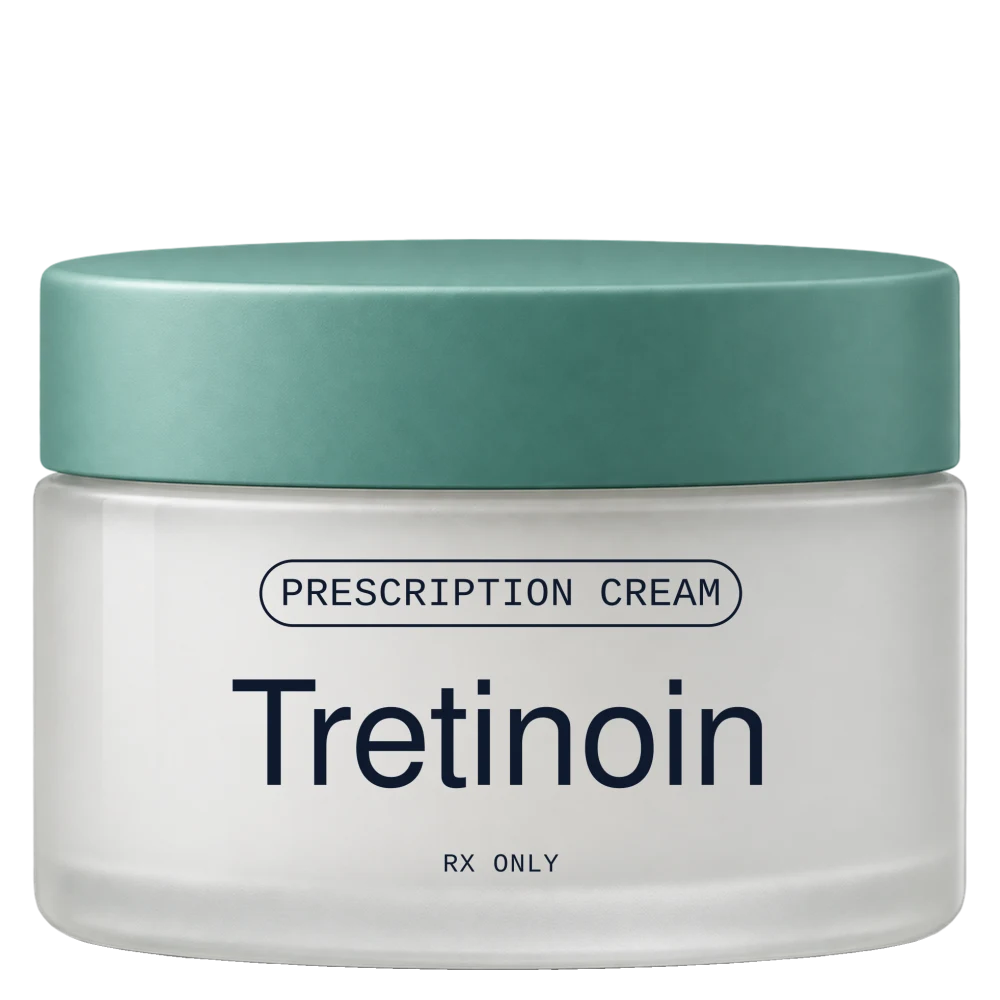
Pictures are illustrations, except brand-name medications, which are pictured in the manufacturer's own packaging. Peak Protocol Rx does not compound or dispense medication. If a physician prescribes any other treatment, it comes from a licensed pharmacy in that pharmacy's own packaging and labeling, and it will not look like its picture.
Your skin renews itself all the time. New cells rise to the surface and old cells shed. With age and years of sun, that renewal slows down. Old cells sit on the surface longer, pores clog, and your skin makes less collagen, the protein that keeps it firm and smooth.
Tretinoin is a prescription form of vitamin A. It speeds up the making of new skin cells and clears out clogged pores. Used night after night, it smooths rough texture, softens fine lines, evens out tone and keeps pores clear. That is why 1 cream is prescribed both for acne and for fine wrinkles.
In a 16-week trial, 14 of 15 people who used tretinoin cream on their face saw their sun-aged skin improve. Nobody using the plain cream did.1
Tap a group.
Results vary. Clinical trial results apply only to the FDA-approved branded medication specifically identified and do not apply to compounded medications. All medications must be prescribed by a licensed provider based on medical necessity.

Tretinoin is the most widely studied retinoid for sun-aged skin. In a 16-week trial, 14 of 15 people who used it on their face saw their skin improve. Acne guidelines give retinoids like tretinoin a strong recommendation.
Speeds up the making of new skin cells, so rough, dull surface skin gives way to the fresher skin underneath.3
In a 16-week trial, 14 of 15 people who used tretinoin cream on their face saw sun-aged skin improve. Nobody on the plain cream did.1
In a 10 to 12 month study, tretinoin 0.1% cream raised new collagen making in sun-damaged skin by 80%. With a plain cream it fell 14%.2
Clears the plugs that clog pores and stops new clogs early, before they turn into pimples.5
Acne guidelines give retinoids like tretinoin a strong recommendation. Dermatologists call them the core of acne care on the skin.4
Spreads pigment more evenly through the skin, so blotchy, sun-marked areas blend back into the skin around them.6
The graphics are illustrations, not measured results. Results vary. Clinical trial results apply only to the FDA-approved branded medication specifically identified and do not apply to compounded medications. All medications must be prescribed by a licensed provider based on medical necessity.
Your skin adjusts. Dryness, flaking and some redness are normal, and acne often looks worse in the first 7 to 10 days. Start slowly, moisturize, and wear sunscreen every morning.
Pimples start to calm, usually within 2 to 3 weeks and sometimes after 6 weeks or more. The early dryness eases as your skin gets used to the cream.
Fine lines soften and tone evens out. This takes 3 to 4 months, and up to 6. In the 16-week trial, 14 of 15 people saw their sun-aged skin improve.
Keep going. Collagen builds slowly: the study that measured it ran 10 to 12 months. Your physician reviews your progress and adjusts your plan along the way.
Everyone responds differently. A licensed physician sets the plan and reviews how it is going.
Medications are sourced directly from US-based, state-licensed pharmacies to ensure the highest standards of safety, consistency, and quality in compounded formulations.
Peak Protocol Rx does not make or compound any medication. Independent licensed pharmacies fill every prescription.
Every prescription is prepared and dispensed by a state-licensed pharmacy in the United States.
A compounded medication is made for 1 patient's prescription, after a licensed physician prescribes it.
All compounding meets the requirements of the state board of pharmacy and comes with a valid Certificate of Analysis.
Every batch is tested by an independent laboratory before it is dispensed.
Still have questions? Interested in more than 1 treatment? Schedule a free Care Team consultation

You see the price before you pay.
Choose your treatment and answer the health questions in the secure patient portal. You see the price before you pay.

Your information is reviewed. No appointment is needed for this step.
An independent physician licensed in your state reviews your answers and calls only if needed. If treatment is not appropriate, you are told.

A licensed U.S. pharmacy prepares your medication and ships it with tracking. Delivery usually takes 4 to 5 business days. Allow up to 7 to 10.

How is everything going? Message us any time.
Refill scheduledA general comparison with the published terms of large telehealth brands and with typical primary care practices, November 2026. Individual companies and practices differ.

Free consultation. A reply in under 24 hours.
Real people, with you at every step.
A Care Team member can call you, free, to answer questions about options, pricing and how the process works. The Care Team does not make medical decisions. A licensed physician does.
A prescription cream made from vitamin A. It belongs to a family called retinoids. It is the most widely studied retinoid for sun-aged skin, and it is prescribed for acne and for fine wrinkles.
It speeds up how fast your skin makes new cells and clears out clogged pores. Over months, it also switches collagen making back on in sun-damaged skin. Collagen is the protein that keeps skin firm and smooth.
Both are retinoids, which means both come from vitamin A. Retinol is the kind sold in stores without a prescription. Tretinoin is prescription strength, so a licensed physician decides whether it is right for your skin.
Once a day at bedtime. Wash with a mild soap, let your skin dry, then spread a thin layer over the area. Keep it away from your eyes, ears, mouth and the corners of your nose. Your physician sets the plan, and the pharmacy label gives the exact directions.
Start slowly. Dermatologists often advise every other night at first, then nightly as your skin adjusts. Use a thin layer, follow with a plain moisturizer, and wear sunscreen every morning. More cream does not work faster. It only irritates.
Often, yes. In the first 7 to 10 days, expect some redness, flaking and more pimples. People call this purging. Keep using the cream. Pimples usually improve within 2 to 3 weeks, and sometimes take more than 6.
For acne, 2 to 3 weeks is typical, and sometimes more than 6. For fine lines and tone, plan on 3 to 4 months, and up to 6. Take a photo on day 1 so you can see the change.
Yes, every day. Tretinoin makes your skin burn more easily. Use sunscreen, a hat and shade, and skip tanning beds and sunlamps.
Keep the rest of your routine gentle: a mild cleanser and a plain moisturizer. Do not layer tretinoin with benzoyl peroxide, salicylic acid, scrubs, hair removers or products with a lot of alcohol unless your physician says so.
Do not use tretinoin if you are pregnant, planning a pregnancy or breastfeeding. Do not put it on sunburned skin, broken skin or eczema. Tell your physician about any skin condition and every skin product you use.
The gains fade slowly over time. Tretinoin works for as long as you use it, which is why people make it a nightly habit.
Yes. A licensed physician reviews your health history, your skin and your goals and decides whether tretinoin is right for you. No appointment is needed: you complete the intake online, and the physician calls only if needed.
These work well together. A licensed physician decides what is right for you.
Cream. As your physician directs.
$149/moFor stubborn dark patches. Your physician decides whether to use both.
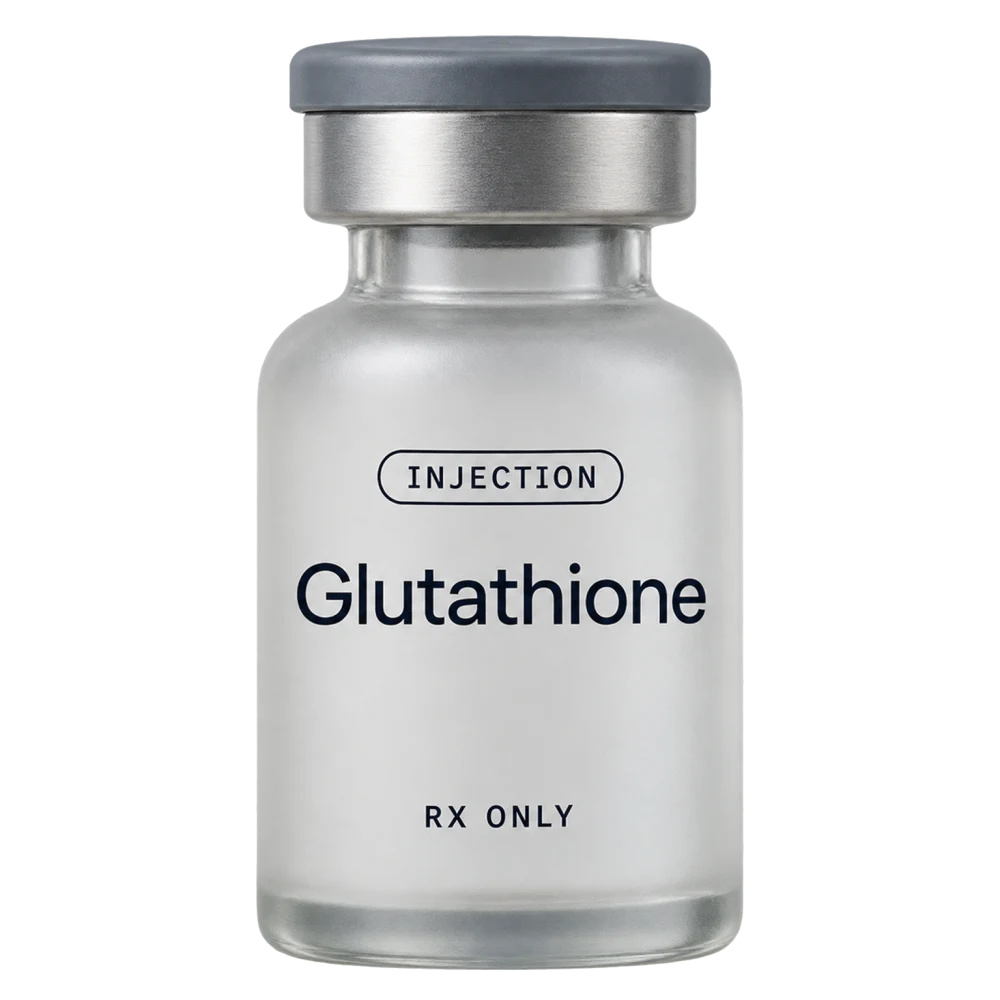
Injection or nasal spray. As your physician directs.
From $129/moAntioxidant support for your cells.
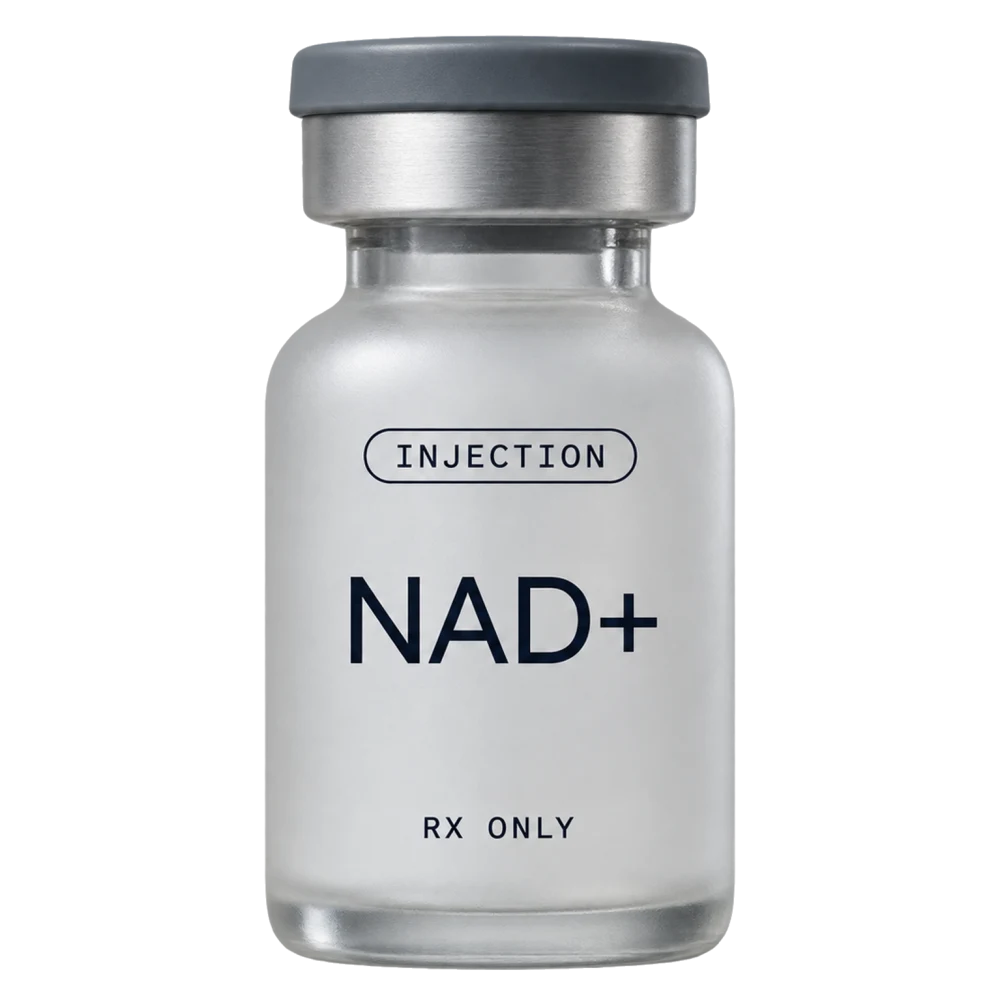
Injection or nasal spray. As your physician directs.
From $199/moA popular add for energy and healthy aging.
Pictures are illustrations, except brand-name medications, which are pictured in the manufacturer's own packaging. Peak Protocol Rx does not compound or dispense medication. If a physician prescribes any other treatment, it comes from a licensed pharmacy in that pharmacy's own packaging and labeling, and it will not look like its picture.
Compounded medications are not FDA-approved. The FDA does not review compounded medications for safety, effectiveness, or quality.
Read this before you start. A licensed physician reviews your health history and decides whether treatment is appropriate.
A licensed physician decides whether treatment is appropriate.
Retinoids should not be used during pregnancy, and treated skin burns more easily in sunlight.
This is not a complete list. Read the information that comes with your medication, and ask the pharmacist or the physician about anything that concerns you.
Tretinoin is for use on the skin only. Most side effects are skin irritation in the first weeks, and they ease as your skin adjusts. Share your full health history and every skin product you use with your physician, who decides whether tretinoin is right for you.
A plain moisturizer helps. Tell your physician if irritation is severe or does not settle.
Use only the amount you are prescribed. Using more, or using it more often, does not bring faster results and makes irritation more likely.
These sources are for general education. They do not replace advice from a licensed physician.
About compounded medications. A compounded medication is prepared by a licensed pharmacy for 1 patient, from that patient's prescription. Compounded medications are not FDA-approved. The FDA does not review compounded medications for safety, effectiveness, or quality. A compounded medication is not a generic version of any brand-name drug. Peak Protocol Rx does not make or compound any medication: independent licensed pharmacies fill every prescription. A licensed physician decides whether a compounded medication or an FDA-approved medication is appropriate for you.
A prescription is required. A prescription is issued only if a licensed physician determines that treatment is appropriate for you.
A listing here is not a recommendation. A licensed physician evaluates you and decides whether any treatment is appropriate. Availability varies by state.
Individual results vary. No outcome is guaranteed.
All medical decisions are made solely by licensed healthcare professionals. Medications are prescribed only when medically necessary. GLP-1 medications are not suitable for everyone. Results may vary.
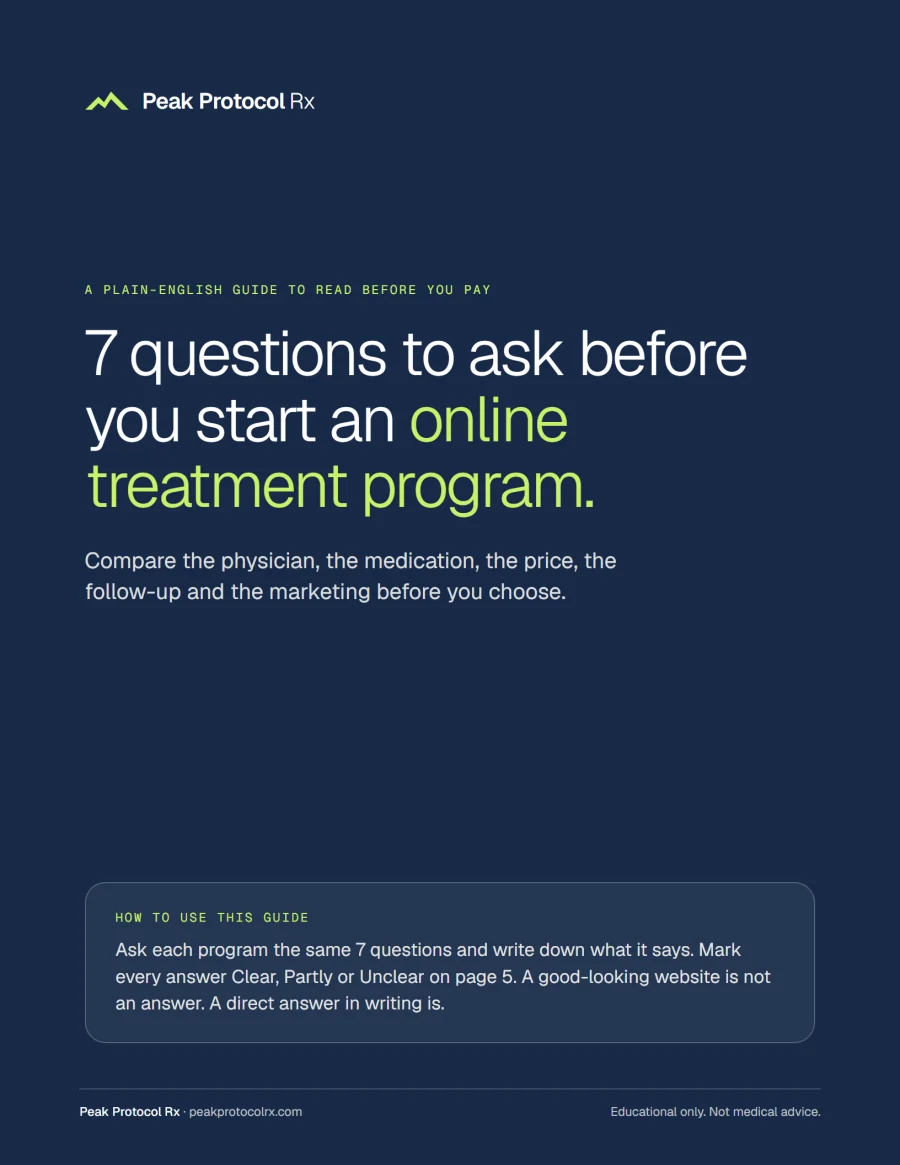 6 pages. No health questions.
A free checklist for comparing programs before you pay. It opens here as soon as you sign up.