

Before you start
7 questions to ask before you start an online treatment program
Ask each program the same 7 questions and write down what it says: who makes the medical decision, what exactly you would take, what it really costs, what happens after the first visit, what comes with it besides medication, how cancelling and refunds work, and what the marketing claims actually prove. A direct answer in writing is what counts.
Who makes the medical decision?
- Ask
- Who reviews my health history? Is that person a physician licensed in my state? Can the answer be that this treatment is not right for me?
- Slow down if
- A prescription is promised before anyone has looked at your history, you cannot tell who the prescriber is, or the review is described as a quick formality.
- Look for
- A licensed professional, clearly identified, who uses independent judgment. Treatment should be prescribed only when that person decides it is medically appropriate.
What exactly would I be taking?
- Ask
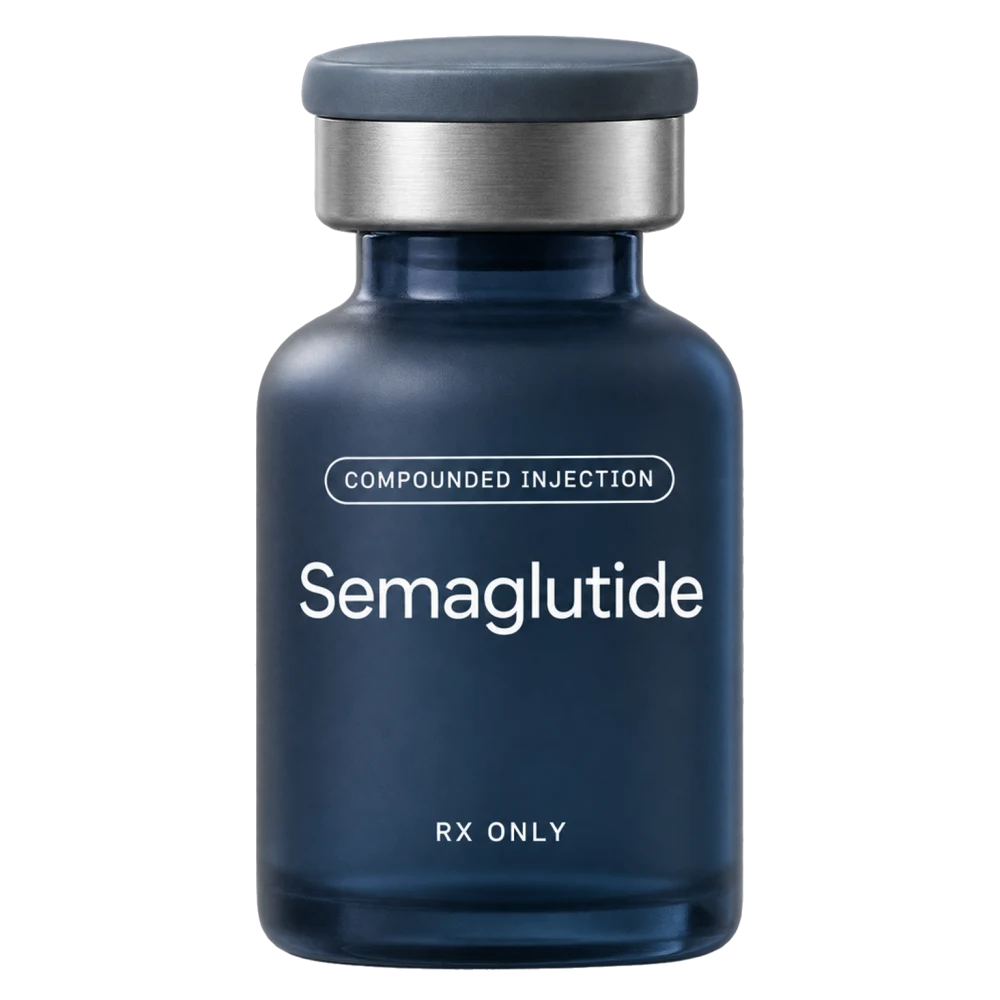
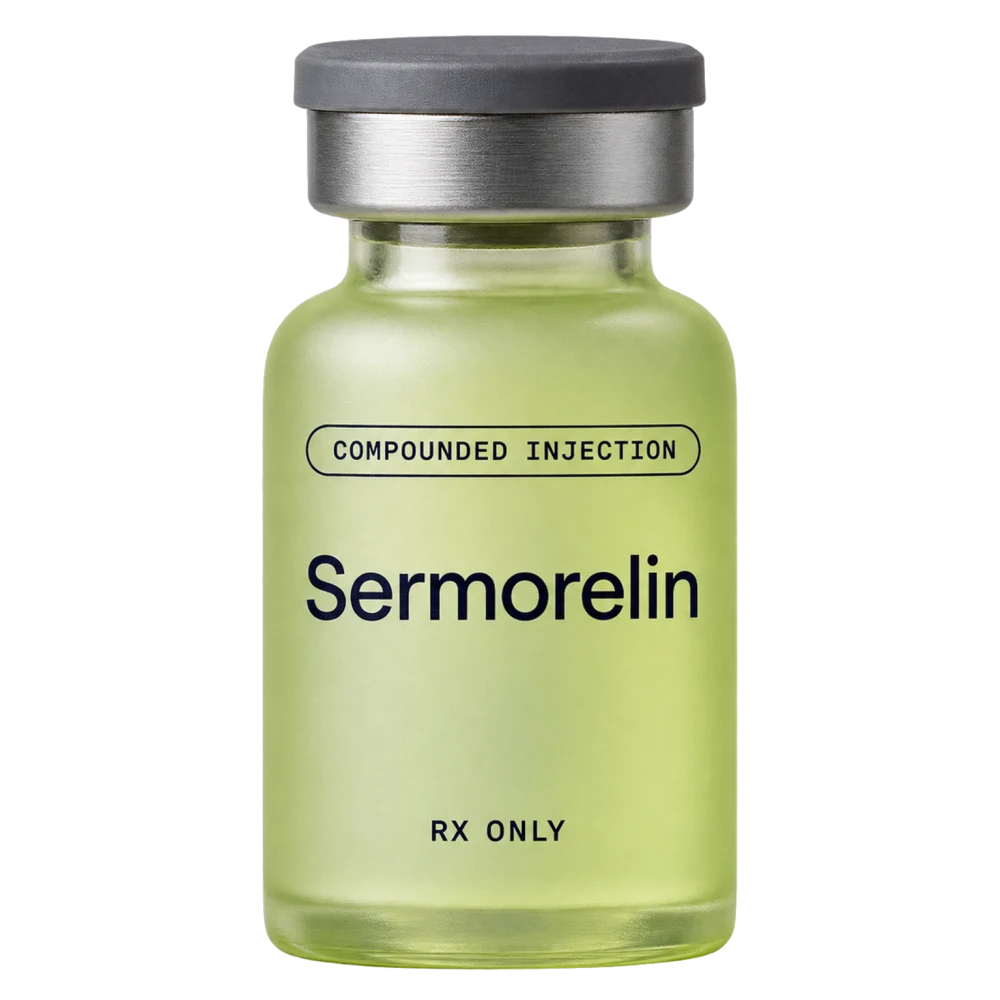
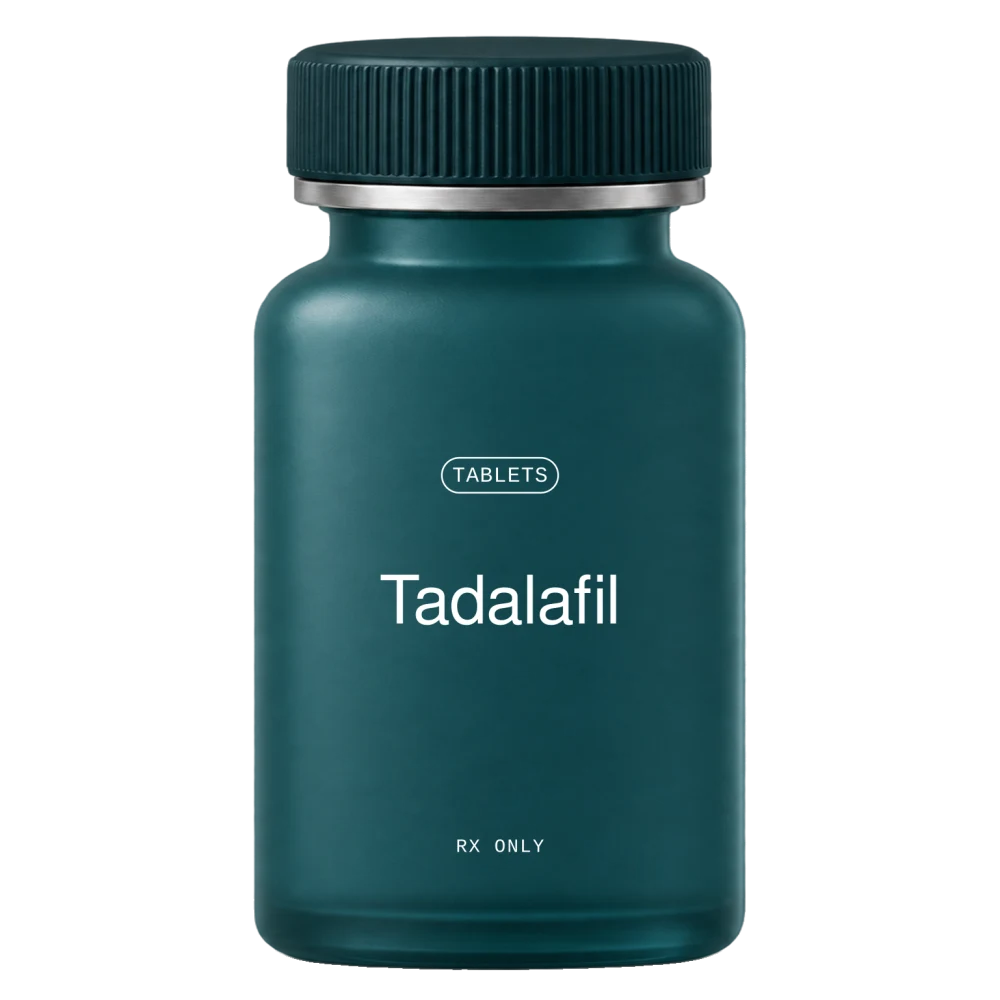
- What is the medication, by name? What is its status: brand-name, generic or compounded? Which pharmacy fills it, and why was this option chosen for me?
- Slow down if
- A compounded medication is called a generic, or is described as equal or equivalent to a brand-name drug, or the product is described only in vague terms.
- Look for
- The product and its status stated plainly, a licensed U.S. pharmacy, and no claim that a compounded medication matches a brand-name one.
What will it really cost?
- Ask
- What do I pay today, and what do I pay each month after that? What is included? What can cost extra? For a package of several months, what is the total?
- Slow down if
- Only the lowest monthly number is easy to see, the first payment is hard to find, or new fees appear after you enter your card.
- Look for
- Every price in writing before you pay: the first payment, each month after, any package total, what is included, and the refund rules.
What happens after the first visit?
- Ask
- How do follow-ups work? How do I ask a question or report a side effect, and how soon is the reply? Who decides whether my dose changes or treatment stops?
- Slow down if
- The program says a great deal about getting medication and very little about the care that follows.
- Look for
- A clear way to reach the care team, and a licensed physician who stays responsible for every treatment decision.
What comes with it besides the medication?
- Ask
- What does the program say about nutrition, training, sleep and habits? Are lab work and check-ins part of the plan?
- Slow down if
- Medication is presented as the whole plan, or as a shortcut that replaces the work.
- Look for
- Medical oversight, plus honest guidance about what you still have to do yourself. Medication does not replace an evaluation or ongoing care.
How do cancelling, refunds and shipping work?
- Ask
- How do I cancel, and when does it take effect? What can be refunded? What happens if my order has already gone to the pharmacy, or arrives late or damaged?
- Slow down if
- The policy is missing, hard to find, or shown only after you have paid.
- Look for
- Written policies you can read before you pay, including how a monthly plan and a package of several months differ.
What do the marketing claims actually prove?
- Ask
- Where does this number come from? Was the study done on this exact product, or on a different one? Are the reviews and the before-and-after pictures real, and are they typical?
- Slow down if
- Results are guaranteed, a compounded product is described as proven in clinical trials, the results of a brand-name drug are used to sell a different product, or a countdown clock pushes you to decide now.
- Look for
- Sources you can check for yourself, a plain statement that results differ from person to person, and no guarantees.
3 things to do before you pay
- Find the first payment and the monthly price. Write both numbers down. If you cannot find 1 of them, ask for it in writing.
- Read the cancellation and refund policy. Look for what happens once an order has been sent to the pharmacy.
- Check the status of the medication. A medication the FDA has approved and a compounded medication are different things. A good program tells you which one it is before you ask.
How Peak Protocol Rx answers the same 7 questions
- An independent licensed physician decides. The physician is licensed in your state and does not work for Peak Protocol Rx. The answer can be that treatment is not appropriate.
- Every option is labeled. Its status is stated beside the name. We never call a compounded medication a generic. Licensed U.S. pharmacies dispense every prescription. What the status labels mean.
- The price comes first. The first month, each month after and every package are on the website before you start. No membership fee. No separate consultation fee. See every price.
- Care continues after the first order. Messaging with the Care Team and licensed physicians, regular check-ins, and dose adjustments decided by a physician.
- Medication is 1 part of the plan. Our library explains each treatment in plain English. Your physician advises on your plan. The training, food and sleep are still yours to do.
- Cancel any time by email. A supply that has gone to the pharmacy cannot be returned or refunded. If a shipment arrives damaged, incorrect or not at all, we put it right. Refund policy.
- No promises about results. Sources are listed on each treatment page, and we say plainly that results differ from person to person.
The free guide has the same 7 questions with a comparison sheet to print and fill in, 1 for each program you look at. Get the free guide.
This page is educational. It is not medical advice. .
More to read
- How are lab results used?
- Testosterone therapy (TRT) online: how does it work?
- Hormone optimization for women: what is it, and how does it differ from HRT?
- Which peptides can a physician prescribe here, and how is each one taken?
- Compounded semaglutide and compounded tirzepatide: how do they differ?
- Brand-name and compounded GLP-1 medications: what is the difference?
- What is GLP-1 "microdosing", and what is a maintenance dose?
- What do online hormone, peptide and weight programs cost here?
- Where are peptides available?