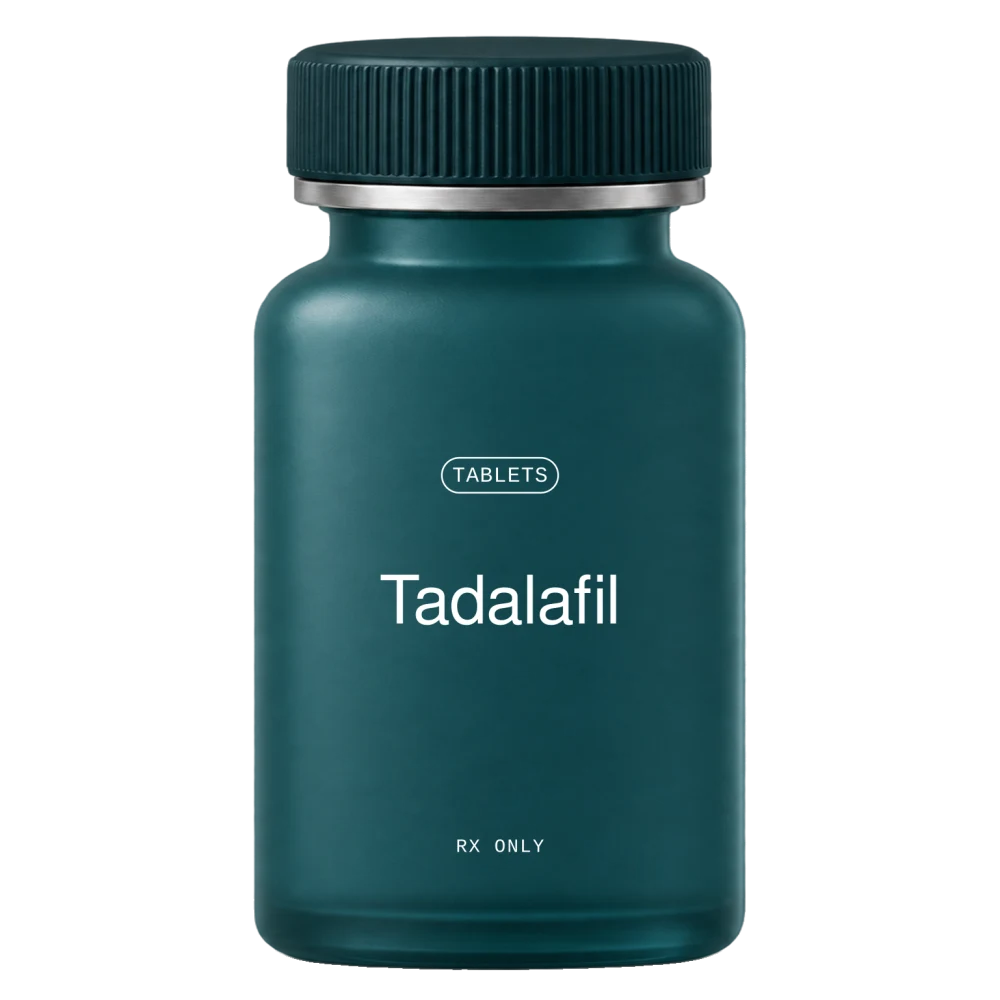
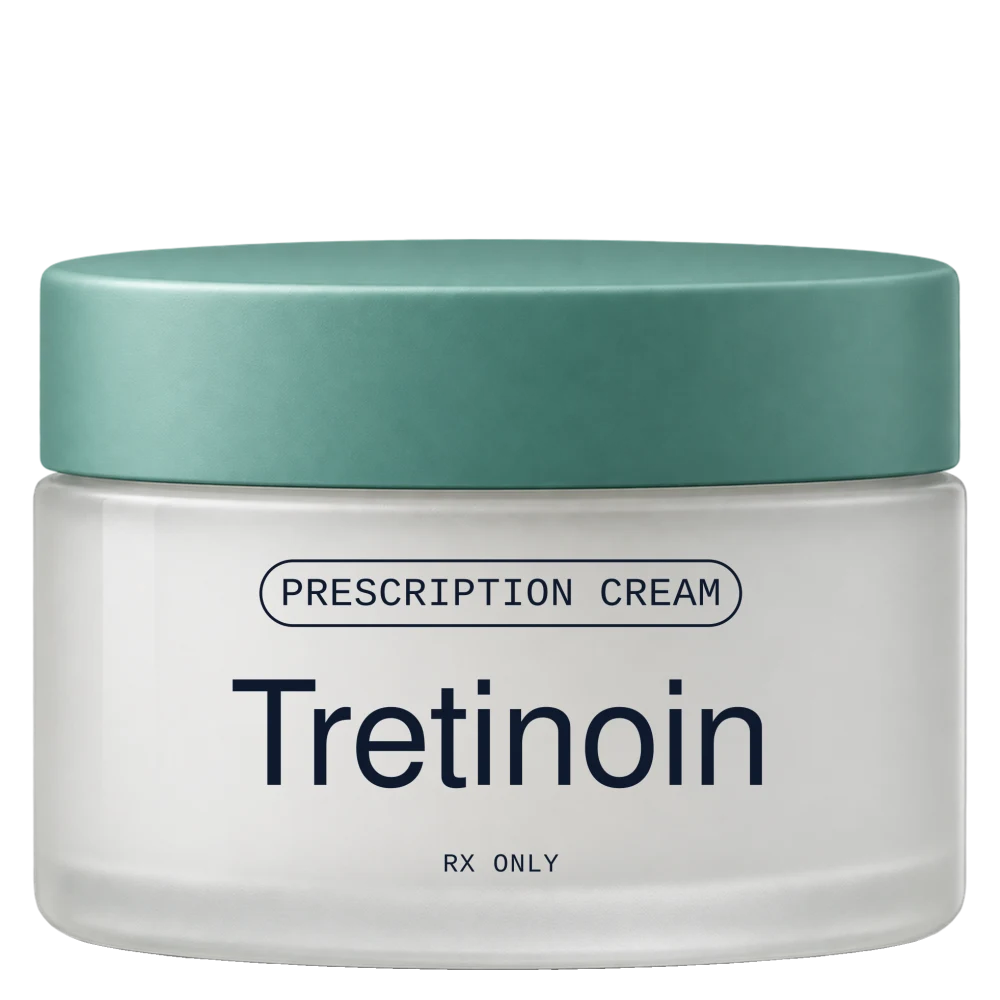
Tretinoin Cream
Cream. As your physician directs.
$149/moA retinoid for texture and tone. Your physician decides whether to use both.
Compounded medication, not FDA approved
Compounded medication, not FDA approved
Fade dark patches and sun spots, and get back to 1 even tone. 4 prescription ingredients slow the making of extra pigment, in a short course guided by a physician.
$149 a month
Cream. As your physician directs.
A brightening formula combining azelaic acid, hydroquinone, kojic acid and hydrocortisone for melasma, sun spots and uneven skin tone.
Hydroquinone is intended for limited courses under a licensed physician's supervision. Not for use during pregnancy.
Selected: 2 months. 2-month package $248.
No appointment needed. Complete the intake online. A licensed physician reviews it and calls only if needed.
Opens the secure patient portal. No health questions are asked on this website.
Dark patches form where your skin makes too much melanin, the pigment that gives skin its color. Sun switches pigment making into high gear, and so do hormone shifts such as pregnancy. Melasma is the name for the brown or gray-brown patches that show up on the face, most often in women. Sun spots are the smaller marks left by years of sun.
Dark patches are extra pigment, and Luminance Brightening Cream slows pigment making from several directions at once. Each of its lightening ingredients has its own trials in melasma. Daily sunscreen does the other half of the work.
Medications are sourced directly from US-based, state-licensed pharmacies to ensure the highest standards of safety, consistency, and quality in compounded formulations.
Hydroquinone is intended for limited courses under a licensed physician's supervision, and this cream is not for use during pregnancy.
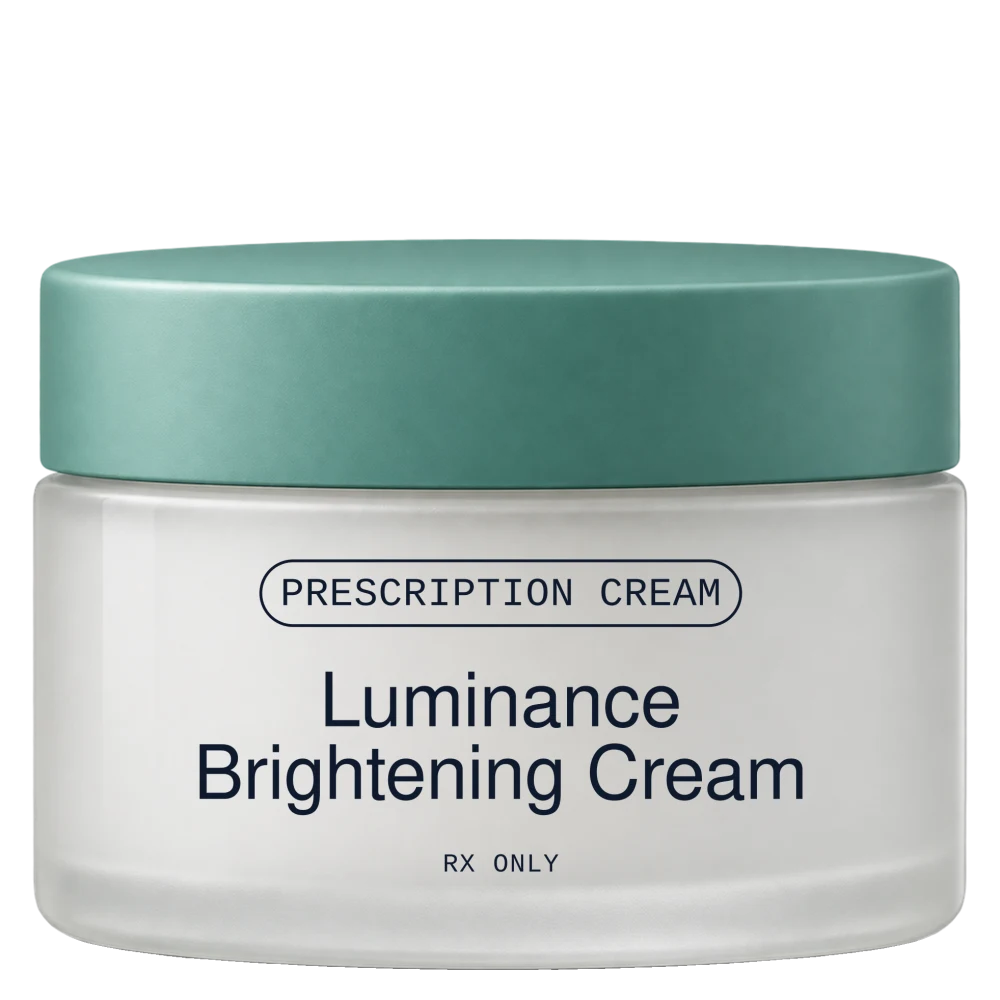
Pictures are illustrations, except brand-name medications, which are pictured in the manufacturer's own packaging. Peak Protocol Rx does not compound or dispense medication. If a physician prescribes any other treatment, it comes from a licensed pharmacy in that pharmacy's own packaging and labeling, and it will not look like its picture.
Dark patches form where your skin makes too much melanin, the pigment that gives skin its color. Sun switches pigment making into high gear, and so do hormone shifts such as pregnancy. Melasma is the name for the brown or gray-brown patches that show up on the face, most often in women. Sun spots are the smaller marks left by years of sun.
Luminance Brightening Cream is a prescription cream with 4 ingredients. Hydroquinone is the standard that other melasma creams are measured against. Kojic acid slows tyrosinase, the enzyme your skin needs to make pigment. Azelaic acid evens out tone. Hydrocortisone calms redness and irritation. It is prescribed for melasma, sun spots and uneven skin tone.
In a 2-month study, women who used a 20% azelaic acid cream twice a day, with sunscreen, cut their melasma score in half.1
Tap a month.
Results vary. Clinical trial results apply only to the FDA-approved branded medication specifically identified and do not apply to compounded medications. All medications must be prescribed by a licensed provider based on medical necessity.

Dark patches are extra pigment, and Luminance Brightening Cream slows pigment making from several directions at once. Each of its lightening ingredients has its own trials in melasma. Daily sunscreen does the other half of the work.
In a 24-week trial of 329 women with melasma, a 20% azelaic acid cream gave good or excellent results in 65%, on par with a 4% hydroquinone cream.2
Adding 2% kojic acid to a hydroquinone gel cleared more than half of the melasma in 60% of women in 12 weeks, against 47.5% without it.3
Hydroquinone gradually lightens melasma, freckles and sun spots. It is the standard other melasma creams are measured against.5
Kojic acid blocks tyrosinase, the enzyme your skin needs to make melanin.4
Hydrocortisone eases redness, swelling and itching, so skin stays comfortable while the lightening ingredients work.7
Hydroquinone is used in limited courses. Your physician sets how long you use the cream and when you take a break.
The graphics are illustrations, not measured results. Results vary. Clinical trial results apply only to the FDA-approved branded medication specifically identified and do not apply to compounded medications. All medications must be prescribed by a licensed provider based on medical necessity.
Apply a thin layer to the dark areas. Mild stinging or dryness at first is common. Start sunscreen every morning now: sunlight darkens patches again.
Patches start to lighten. In the azelaic acid study, the melasma score had dropped after 1 month and was cut in half after 2. If you see no change by 2 months, your physician rethinks the plan.
Tone looks more even. In a 12-week study, more than half of the melasma cleared in 60% of women who used kojic acid with hydroquinone.
Hydroquinone is used in limited courses, so your physician decides when to pause and what comes next. Sunscreen, a hat and shade keep your results. Melasma likes to come back.
Everyone responds differently. A licensed physician sets the plan and reviews how it is going.
Medications are sourced directly from US-based, state-licensed pharmacies to ensure the highest standards of safety, consistency, and quality in compounded formulations.
Peak Protocol Rx does not make or compound any medication. Independent licensed pharmacies fill every prescription.
Every prescription is prepared and dispensed by a state-licensed pharmacy in the United States.
A compounded medication is made for 1 patient's prescription, after a licensed physician prescribes it.
All compounding meets the requirements of the state board of pharmacy and comes with a valid Certificate of Analysis.
Every batch is tested by an independent laboratory before it is dispensed.
Still have questions? Interested in more than 1 treatment? Schedule a free Care Team consultation

You see the price before you pay.
Choose your treatment and answer the health questions in the secure patient portal. You see the price before you pay.

Your information is reviewed. No appointment is needed for this step.
An independent physician licensed in your state reviews your answers and calls only if needed. If treatment is not appropriate, you are told.

A licensed U.S. pharmacy prepares your medication and ships it with tracking. Delivery usually takes 4 to 5 business days. Allow up to 7 to 10.

How is everything going? Message us any time.
Refill scheduledA general comparison with the published terms of large telehealth brands and with typical primary care practices, November 2026. Individual companies and practices differ.

Free consultation. A reply in under 24 hours.
Real people, with you at every step.
A Care Team member can call you, free, to answer questions about options, pricing and how the process works. The Care Team does not make medical decisions. A licensed physician does.
A prescription cream with 4 ingredients: hydroquinone, kojic acid, azelaic acid and hydrocortisone. It is prescribed for melasma, sun spots and uneven skin tone.
Brown or gray-brown patches on the face, most often in women. Sun brings them out, and so do hormone shifts such as pregnancy. Melasma is stubborn: it can last for years.
Dark patches are extra melanin, the pigment that colors your skin. Hydroquinone and kojic acid slow the making of new pigment. Azelaic acid evens out tone. Hydrocortisone, a corticosteroid, calms redness and irritation. As your skin renews itself, the patches fade.
Spread a thin layer on the dark areas, as your physician directs. Keep it away from your eyes and mouth, do not put it on broken or irritated skin, and wash your hands afterward. The pharmacy label gives the exact directions.
Fading is gradual. In studies of these ingredients, change showed after 1 month and was clear by 2 to 3 months. Dermatologists say a full melasma plan usually takes 3 to 12 months.
Hydroquinone is used in limited courses. Used for too long, it can cause a blue-black darkening of the skin. That is why your physician sets the length of your course and any breaks. Do not use the cream past the time you are prescribed.
Sunlight is what darkens the patches, and it brings them back. Use a broad-spectrum sunscreen of SPF 30 or higher every day, with a wide-brimmed hat and shade. Dermatologists often suggest a tinted sunscreen with iron oxide for melasma.
They often do, mostly with sun. Melasma can last for years. Daily sun protection is how you keep your results, and your physician plans what to use between courses.
Ask your physician first. Tell them about every skin product you use, including peels, scrubs and retinoids. Used together without a plan, they add to dryness and irritation.
Do not use it if you are pregnant, planning a pregnancy or breastfeeding. Tell your physician how long you have used hydroquinone or other lightening products before, and whether you have asthma, diabetes or cold sores that keep coming back.
Yes. A licensed physician reviews your health history, your skin and your goals and decides whether Luminance Brightening Cream is right for you. No appointment is needed: you complete the intake online, and the physician calls only if needed.
These work well together. A licensed physician decides what is right for you.
Cream. As your physician directs.
$149/moA retinoid for texture and tone. Your physician decides whether to use both.
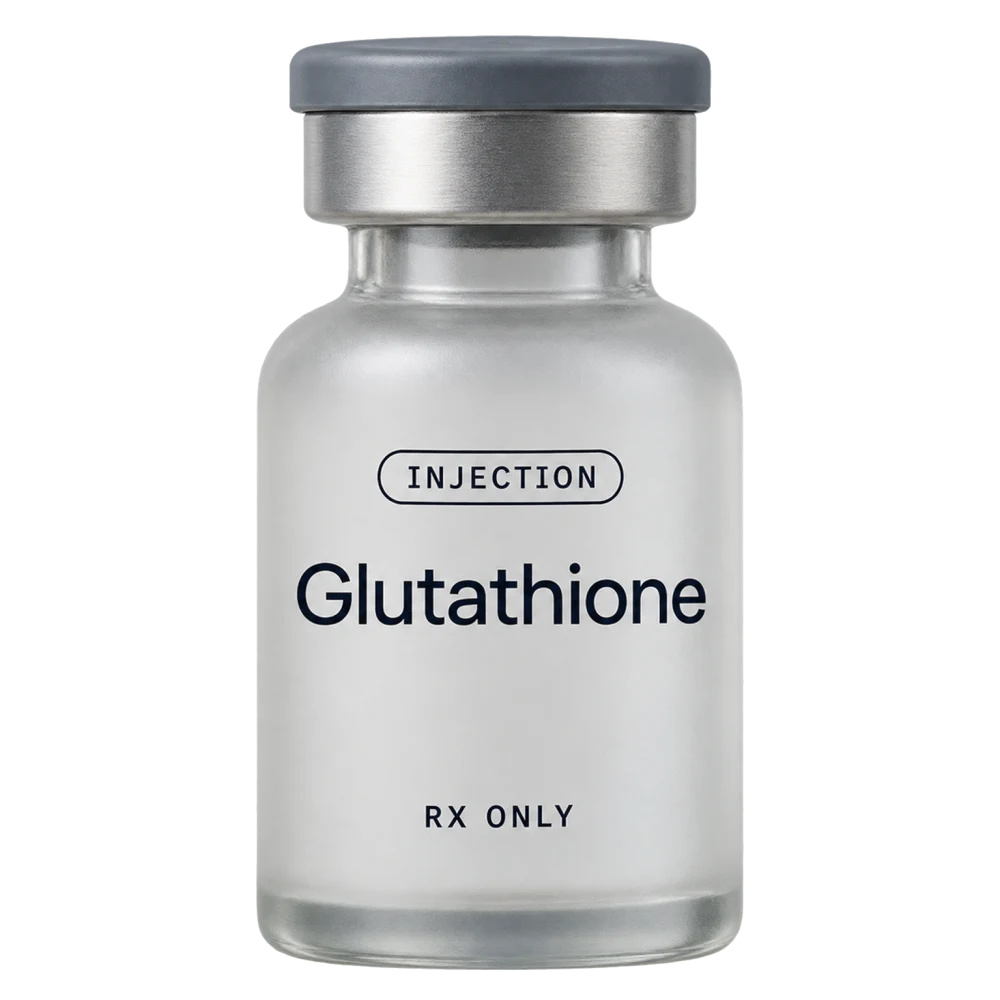
Injection or nasal spray. As your physician directs.
From $129/moAntioxidant support for your cells.
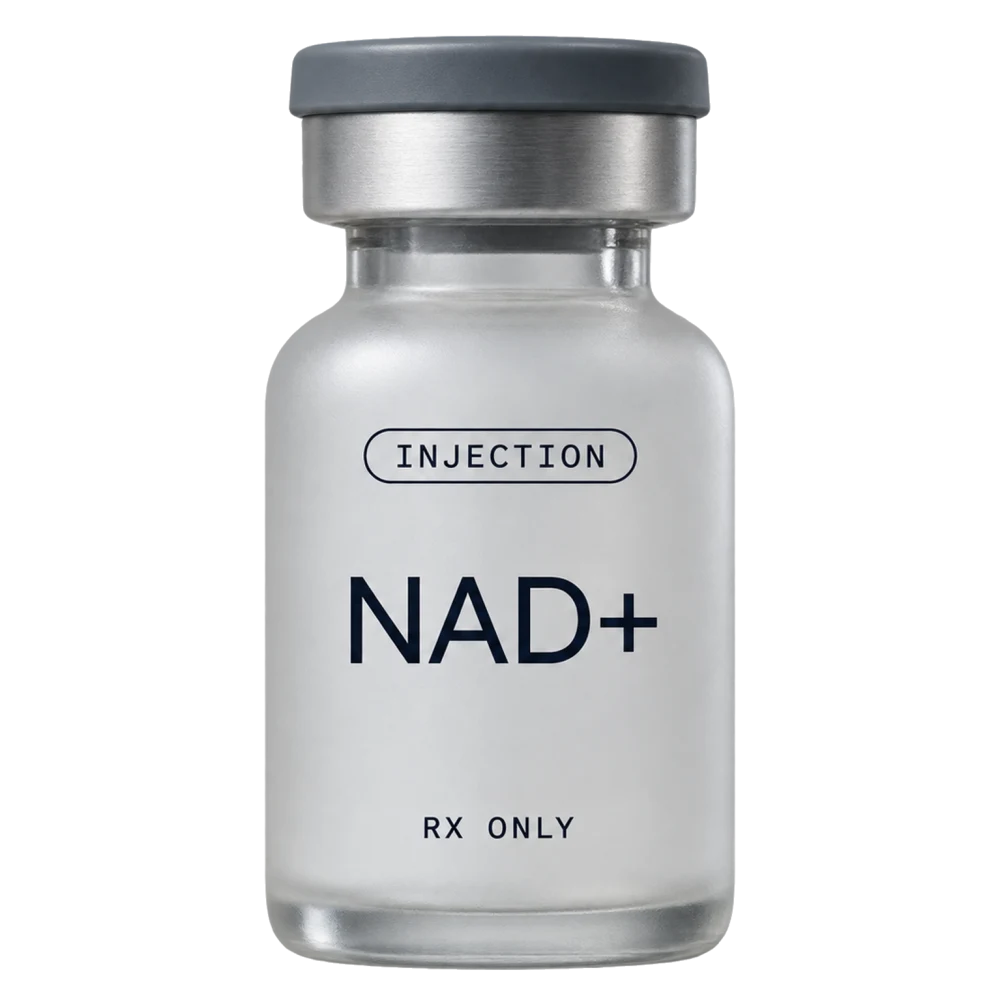
Injection or nasal spray. As your physician directs.
From $199/moA popular add for energy and healthy aging.
Pictures are illustrations, except brand-name medications, which are pictured in the manufacturer's own packaging. Peak Protocol Rx does not compound or dispense medication. If a physician prescribes any other treatment, it comes from a licensed pharmacy in that pharmacy's own packaging and labeling, and it will not look like its picture.
Compounded medications are not FDA-approved. The FDA does not review compounded medications for safety, effectiveness, or quality.
Read this before you start. A licensed physician reviews your health history and decides whether treatment is appropriate.
A licensed physician decides whether treatment is appropriate.
Hydroquinone is intended for limited courses under a licensed physician's supervision, and this cream is not for use during pregnancy.
This is not a complete list. Read the information that comes with your medication, and ask the pharmacist or the physician about anything that concerns you.
This cream is for use on the skin only, on dark patches, for the length of time your physician sets. It contains hydroquinone, kojic acid, azelaic acid and hydrocortisone (a corticosteroid). Share your full health history and every skin product you use with your physician, who decides whether it is right for you.
Tell your physician if any of these is severe or does not go away.
The 4 ingredients have each been studied on their own or in other combinations, not together in this cream.
These sources are for general education. They do not replace advice from a licensed physician.
About compounded medications. A compounded medication is prepared by a licensed pharmacy for 1 patient, from that patient's prescription. Compounded medications are not FDA-approved. The FDA does not review compounded medications for safety, effectiveness, or quality. A compounded medication is not a generic version of any brand-name drug. Peak Protocol Rx does not make or compound any medication: independent licensed pharmacies fill every prescription. A licensed physician decides whether a compounded medication or an FDA-approved medication is appropriate for you.
A prescription is required. A prescription is issued only if a licensed physician determines that treatment is appropriate for you.
A listing here is not a recommendation. A licensed physician evaluates you and decides whether any treatment is appropriate. Availability varies by state.
Individual results vary. No outcome is guaranteed.
All medical decisions are made solely by licensed healthcare professionals. Medications are prescribed only when medically necessary. GLP-1 medications are not suitable for everyone. Results may vary.
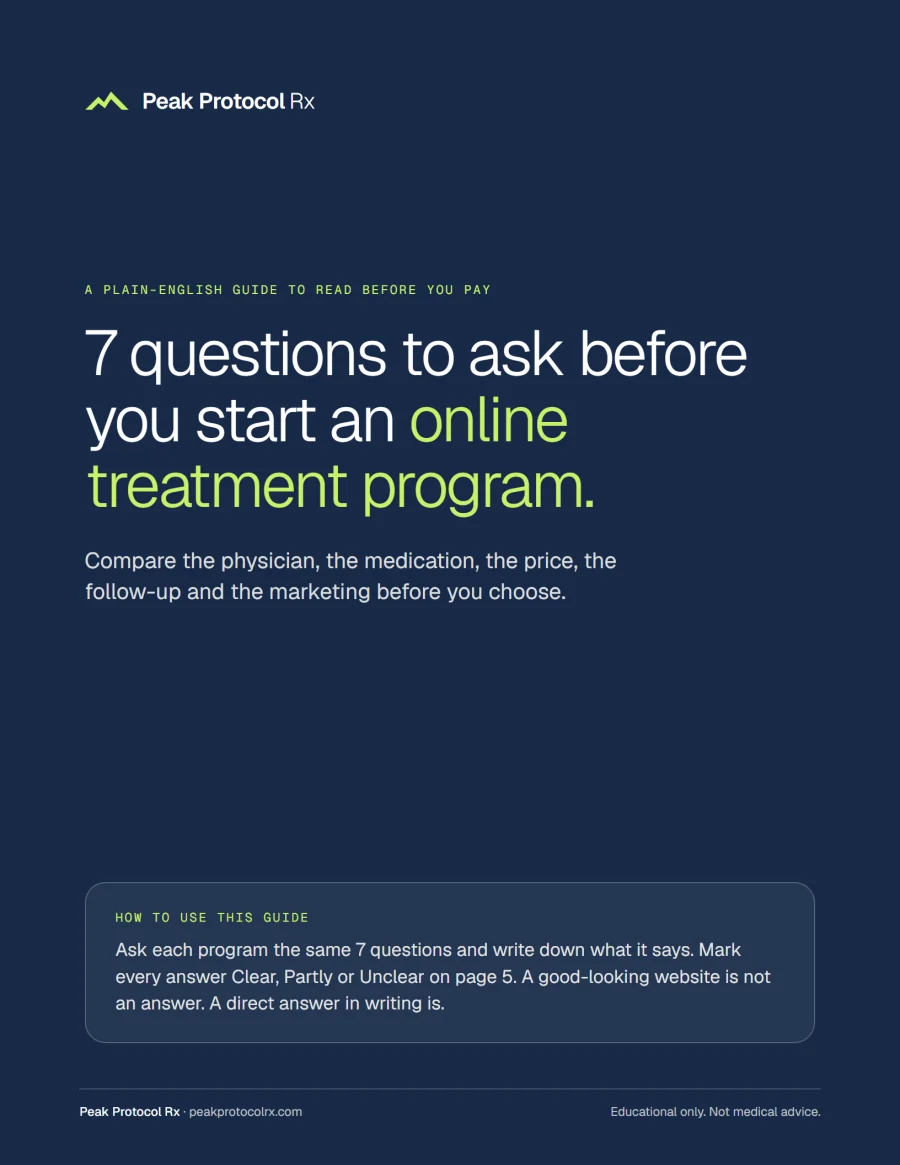 6 pages. No health questions.
A free checklist for comparing programs before you pay. It opens here as soon as you sign up.