


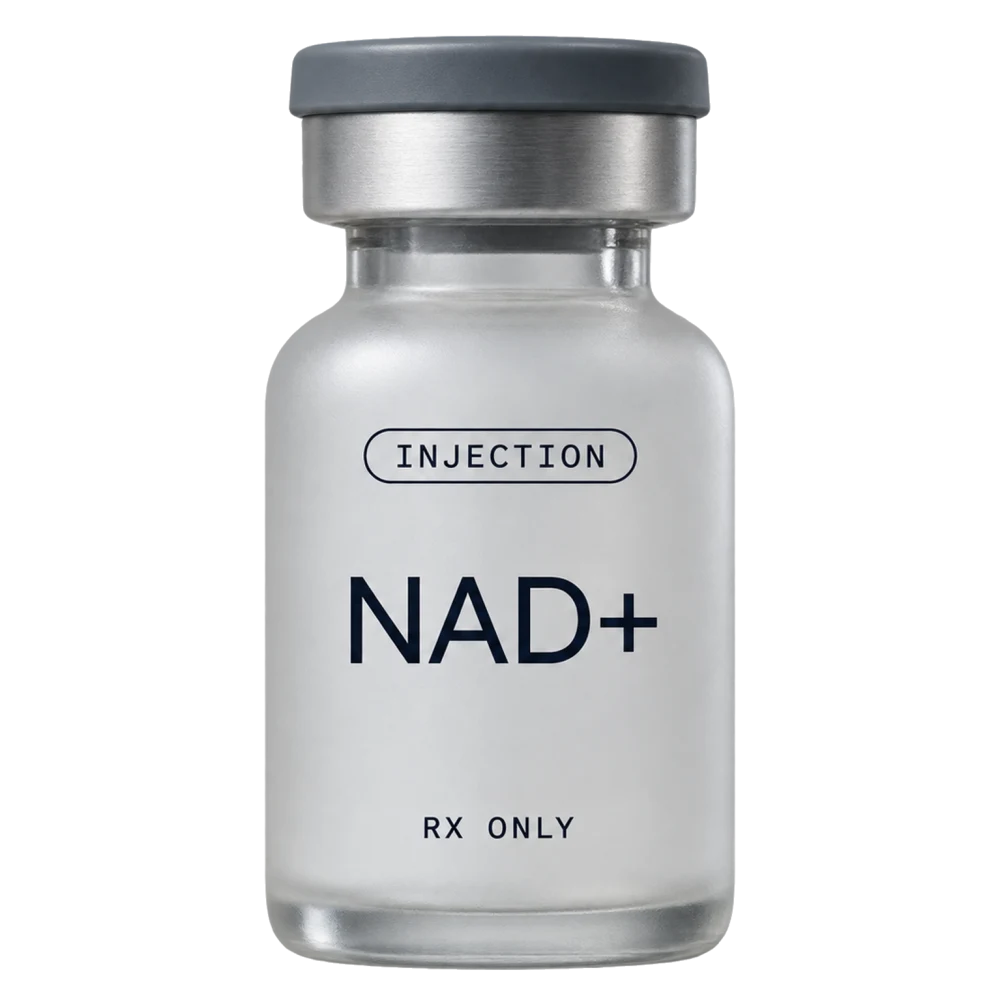


Longevity Stack Core

Compounded medication, not FDA approved

Start here to age well. Core is the 3 basics of a longevity plan: NAD+ for cell energy, rapamycin for cell cleanup and metformin for steadier blood sugar.

$369 a month

NAD+, rapamycin, and metformin. As your physician directs.

Comes as
  • Injection
  • Capsule
  • Tablet
$369a month

Pick a time. A licensed physician calls you then.

Opens the secure patient portal. No health questions are asked on this website.

  • Live visit with a licensed physician
  • A prescription only if appropriate
  • Medication from a licensed U.S. pharmacy
What is Longevity Stack Core?

Longevity Stack Core is for staying energetic, strong and healthy for more of your life. It is 3 prescription therapies in 1 plan, and each works on something that slips with age: how your cells make energy, how they clean up after themselves, and how your body handles sugar.

Read more ↓

Benefits of Longevity Stack Core

Aging well starts with 3 basics, and Core pairs 1 therapy with each. NAD+ refills what your cells run on, rapamycin gives them time to clear out damage, and metformin keeps your blood sugar steady. A licensed physician decides which parts are right for you.

See the benefits ↓

How Peak Protocol Rx ensures quality and safety

Medications are sourced directly from US-based, state-licensed pharmacies to ensure the highest standards of safety, consistency, and quality in compounded formulations.

See our quality assurance ↓

What's included?
  • Physician evaluation. An independent licensed physician reviews your health history.
  • Medication, if prescribed. Prepared and dispensed by a licensed U.S. pharmacy.
  • Supplies. What you need to take your medication as directed.
  • Shipping. Delivered to your door in discreet packaging.
  • Ongoing support. Help with your order and your account whenever you need it.
Important safety information

Rapamycin lowers the activity of the immune system, which can raise the risk of infection and of certain cancers, and metformin can rarely cause lactic acidosis, a serious build-up of acid in the blood.

Read the full safety information ↓

Longevity
Longevity Stack Core

Pictures are illustrations, except brand-name medications, which are pictured in the manufacturer's own packaging. Peak Protocol Rx does not compound or dispense medication. If a physician prescribes any other treatment, it comes from a licensed pharmacy in that pharmacy's own packaging and labeling, and it will not look like its picture.

What's in the stack

Our core longevity plan.

3 prescription therapies, 1 visit, and 1 shipment.

Save $75 a month compared with the 3 purchased separately.

  1. 1NAD+ injection or nasal spray
  2. 2Rapamycin, taken once weekly
  3. 3Metformin, taken daily
What's included
  • Live visit with a licensed physician
  • Medications delivered to your home, if prescribed
  • Subscription. Cancel anytime.

Medication and shipping are included in the total price, with no separate fees. If prescribed, your medications will be prepared and shipped by a licensed pharmacy.

A licensed physician decides which of these medications, if any, are appropriate for you.

Rapamycin and metformin are FDA-approved for other uses. Use for longevity is off-label and is prescribed at your physician's discretion.

Longevity & Wellness

What is Longevity Stack Core?

Longevity Stack Core is for staying energetic, strong and healthy for more of your life. It is 3 prescription therapies in 1 plan, and each works on something that slips with age: how your cells make energy, how they clean up after themselves, and how your body handles sugar.

NAD+ is the helper molecule your cells use to turn food into energy, and you have less of it as you age. You take it as an injection or a nasal spray. Rapamycin is a capsule you take once a week. It gives your cells a short break to clear out worn-out parts. Metformin is a tablet you take every day. It keeps your blood sugar steadier. Core is the starting level of the 4 longevity stacks, and every higher level is built on these 3.

  • Natural energy
  • Cell cleanup
  • Steadier blood sugar
  • Lean muscle
  • Healthy aging
  • 3 therapies, 1 plan

NAD+ is 1 of the 3 parts of this stack. In healthy adults, NAD+ in the blood was up to 90% lower after age 60 than at ages 20 to 40.1

90%
20 to 40

Tap an age group.

Results vary. Clinical trial results apply only to the FDA-approved branded medication specifically identified and do not apply to compounded medications. All medications must be prescribed by a licensed provider based on medical necessity.

Benefits

More energy. Cleaner cells. Steadier fuel.

Aging well starts with 3 basics, and Core pairs 1 therapy with each. NAD+ refills what your cells run on, rapamycin gives them time to clear out damage, and metformin keeps your blood sugar steady. A licensed physician decides which parts are right for you.

  • Natural energy

    NAD+ refills what the power plants in your cells run on. Steady energy that lasts the day, not a caffeine jolt.2

    Energy
  • Cell cleanup

    Once a week, rapamycin gives your cells a window to clear out damaged, worn-out parts and recycle them.4

    Cell cleanup
  • Steadier blood sugar

    Metformin tells your liver to release less sugar and helps your body respond better to its own insulin.6

    Blood sugar
  • Lean muscle

    In the PEARL trial, women on weekly rapamycin gained about 6% more lean muscle in 48 weeks than women on a placebo.3

    Lean muscle
  • Healthy aging

    Rapamycin turns down the cell signal that speeds up aging. It has extended lifespan in every animal tested, from yeast to mice.5

    Lifespan in animal studies
  • 3 therapies, 1 plan

    1 visit with a licensed physician covers all 3, so your plan is reviewed as a whole and not piece by piece.

    3 in 1

The graphics are illustrations, not measured results. Results vary. Clinical trial results apply only to the FDA-approved branded medication specifically identified and do not apply to compounded medications. All medications must be prescribed by a licensed provider based on medical necessity.

What to expect

Longevity Stack Core over time.

  1. Week 1

    You start on the schedule your physician sets: NAD+ by injection or nasal spray, rapamycin once a week and metformin every day. Most people start metformin on a low dose and build up, which is easier on the stomach.

  2. First month

    This is when people look for steadier energy, fewer afternoon dips and less urge to snack between meals.

  3. Months 3 to 6

    The weekly cell cleanup builds slowly. People look for more stamina and easier recovery. In the PEARL trial, women on weekly rapamycin already had more lean muscle at 24 weeks.

  4. 1 year and beyond

    Longevity is a long game. Your physician reviews your blood work and your progress and adjusts your plan as you go.

Everyone responds differently. A licensed physician sets the plan and reviews how it is going.

Quality assurance

Quality you can count on, in every order.

Medications are sourced directly from US-based, state-licensed pharmacies to ensure the highest standards of safety, consistency, and quality in compounded formulations.

Peak Protocol Rx does not make or compound any medication. Independent licensed pharmacies fill every prescription.

  1. Licensed U.S. pharmacies

    Every order

    Every prescription is prepared and dispensed by a state-licensed pharmacy in the United States.

  2. Prepared for 1 patient

    Every order

    A compounded medication is made for 1 patient's prescription, after a licensed physician prescribes it.

  3. Certificate of Analysis

    Every order

    All compounding meets the requirements of the state board of pharmacy and comes with a valid Certificate of Analysis.

  4. Third-party lab testing

    Every order

    Every batch is tested by an independent laboratory before it is dispensed.

How it works

4 steps from today to your door.

Still have questions? Interested in more than 1 treatment? Schedule a free Care Team consultation

  1. Share your health information and pick a visit time

    About 5 minutes
    A person answering health questions on a phone
    Secure intakeAbout 5 minutes

    You see the price before you pay.

    Illustrative photo.

    Choose your treatment, answer the health questions in the secure patient portal, and pick the time that suits you. You see the price before you pay.

  2. Meet your licensed physician by video or phone

    Same-day or next-day
    A man on a video visit with a physician on a laptop
    Your visitSame-day or next-day

    A licensed physician reviews your health history with you.

    Licensed in your state
    Illustrative photo.

    Same-day and next-day appointments are usually available. An independent physician licensed in your state calls you at the time you picked. Some visits are by video. The physician decides whether treatment is appropriate.

  3. If prescribed, delivered to your door

    4 to 5 business days
    A person at home opening a delivery box
    Your order4 to 5 business days
    • Prescription sent to the pharmacy
    • Pharmacy preparing
    • Shipped with tracking
    • Delivered
    Example. Applies only if a physician prescribes.
    Illustrative photo.

    A licensed U.S. pharmacy prepares your medication and ships it with tracking. Delivery usually takes 4 to 5 business days. Allow up to 7 to 10.

  4. Ongoing support and automatic refills

    A Care Team member standing in a glass studio
    Care TeamOnline

    How is everything going? Message us any time.

    Refill scheduled
    Illustrative photo.
    • Unlimited 24/7 messaging with the Care Team and licensed physicians
    • Automatic refills
    • Regular check-ins
    • Personalized dose adjustments
Why Peak Protocol Rx

Everything included. Nothing hidden.

What you get
Peak Protocol Rx
Other leading telehealth brands
Traditional primary care
Faith-based values, family owned
Yes.
No.Usually corporate owned
Varies.Varies
100% Physician network: no PAs or NPs
Yes.
No.Often NPs and PAs
Personalized care with a Dedicated Care TeamFree consultations and 24/7 messaging
Yes.
Varies.Often chat only
Varies.Office hours only
Transparent pricing with no hidden fees
and affordable financing options
Yes.
Varies.Varies
No.Billed after the visit
No membership fees or consultation fees
Yes.
No.Often a monthly fee
No.Visit fee or copay
Everything included for 1 fair pricePhysician visit & labs included when required
Yes.
Varies.Often extra for visits or supplies
No.
No charge until a physician prescribes
Yes.
Varies.Varies
No.
No long-term commitment: cancel at any time
Yes.
Varies.Varies
Yes.
Licensed compounding pharmacies3rd-party lab testing & valid Certificate of Analysis
Yes.
Varies.Varies
Varies.Not applicable
No research-only peptides
Yes.
Varies.Varies
Varies.Rarely offered

A general comparison with the published terms of large telehealth brands and with typical primary care practices, November 2026. Individual companies and practices differ.

2 Care Team members in navy polo shirts seated in a consultation room
Care TeamOnline

Free consultation. A reply in under 24 hours.

Illustrative photo.

Our Care Promise

Real people, with you at every step.

  • A plan built around you by independent licensed physicians, from your own health information.
  • Focused on the underlying causes of age-related decline.
  • Virtual appointments and advanced lab testing, from home and on your schedule.
  • 100% physician-led care. Every medical decision is made by a licensed physician.
  • A dedicated Care Team. A complimentary live consultation in less than 24 hours, and messaging support 24 hours a day, 7 days a week, with a reply in under 24 hours.
  • Answers when you need them. Treatment options, pricing, shipment tracking, lab requisitions, and more.

A Care Team member can call you, free, to answer questions about options, pricing and how the process works. The Care Team does not make medical decisions. A licensed physician does.

Questions

Longevity Stack Core, answered.

What is Longevity Stack Core?

A plan of 3 prescription therapies: NAD+, rapamycin and metformin. Together they cover cell energy, cell cleanup and blood sugar. It is the starting level of the 4 longevity stacks.

What does each part do?

NAD+ is a helper molecule your cells need to make energy and to repair their own DNA. Rapamycin turns down a cell switch called mTOR for a short while, which gives your cells time to clean up. Metformin tells your liver to release less sugar and helps your body respond better to its own insulin.

Why are the 3 taken together?

Each does a different job, so they add up and do not double up. Energy, cleanup and blood sugar all slip with age. Core gives each its own therapy, in 1 plan that 1 physician reviews as a whole.

How do I take it?

NAD+ is an injection just under the skin or a needle-free nasal spray. Rapamycin is a capsule taken once a week. Metformin is a tablet taken daily with a meal. Your physician sets each dose and schedule, and each pharmacy label gives the exact directions.

How soon will I notice a difference?

Everyone is different. Many people notice steadier energy and fewer cravings within the first month. Rapamycin is a longer game: in the PEARL trial, the extra lean muscle in women was measured at 24 weeks and at 48 weeks.

Is there research behind it?

Yes, behind each part. In healthy adults, NAD+ in the blood was up to 90% lower after age 60 than at ages 20 to 40. Weekly rapamycin was tested against a placebo for 48 weeks in the PEARL trial, and metformin has been used around the world for more than 60 years. The 3 have not been tested together in 1 trial, which is why a physician builds the plan around your history and your blood work.

Who is Core for?

Adults who want a solid start on healthy aging: more energy, a regular cell cleanup and steadier blood sugar, with a physician guiding the plan.

What do the higher levels add?

Every level contains the 3 parts of Core. Plus adds methylene blue, for memory and focus. Pro adds MOTS-c, a peptide for metabolism and training. Elite adds both.

What are the side effects?

The most common are an upset stomach or diarrhea when you first start metformin, mouth sores with rapamycin, and irritation where you inject NAD+. They are usually mild and pass on their own. The full list is in the safety information on this page.

Who should not take it?

Do not take it if you are pregnant or breastfeeding, have an infection that will not go away, or have a weakened immune system. Tell your physician about any kidney, liver or heart problem, and about every medicine you take.

Will I need blood tests?

Your physician decides. Rapamycin can affect blood counts, cholesterol and triglycerides, and metformin depends on how well your kidneys work. Long-term metformin can also lower vitamin B12.

Do I need a prescription?

Yes. A licensed physician reviews your health history, your medications and your goals and decides which of the 3, if any, are right for you. There is no separate fee for the visit.

Often paired with

Pairs well with Longevity Stack Core.

These work well together. A licensed physician decides what is right for you.

Labs
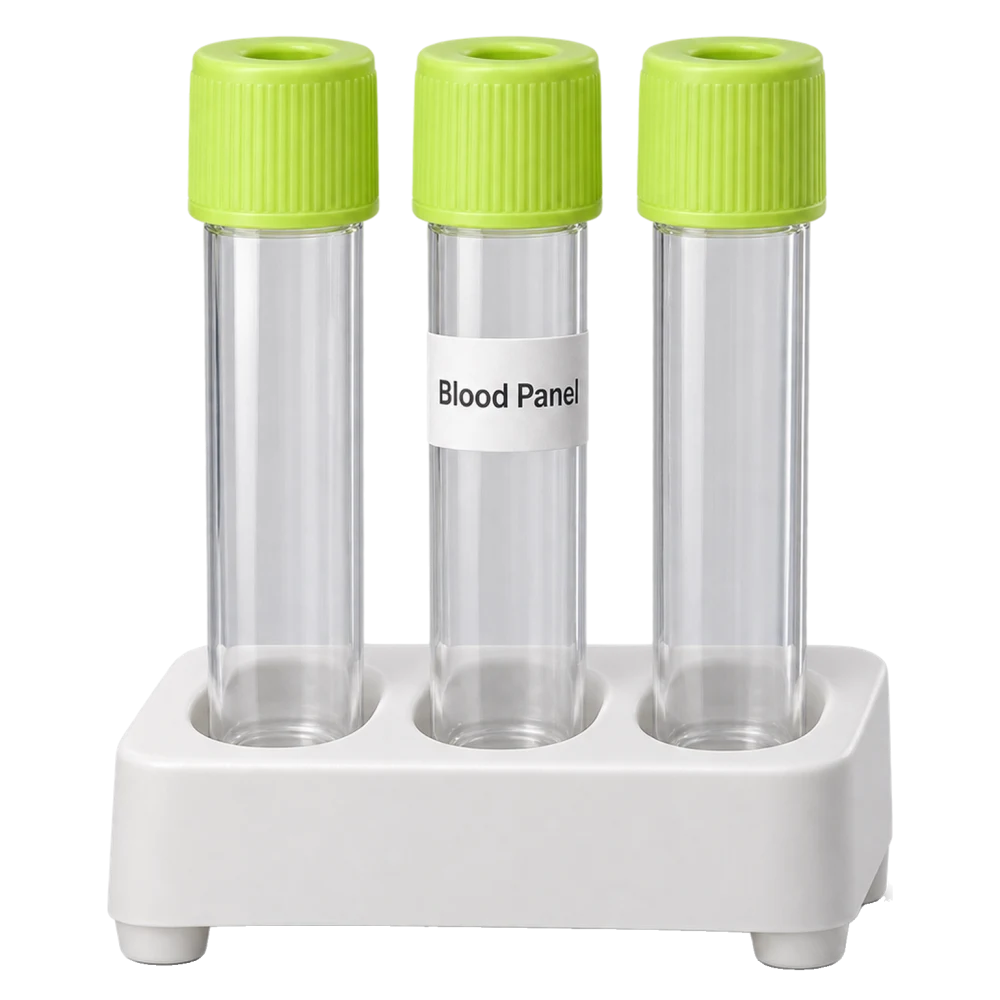
Super Human Labs Panel

Super Human Labs Panel

Blood draw at a lab near you. One time.

$229

See your blood sugar, cholesterol and metabolic numbers before you start.
Lab test
Longevity
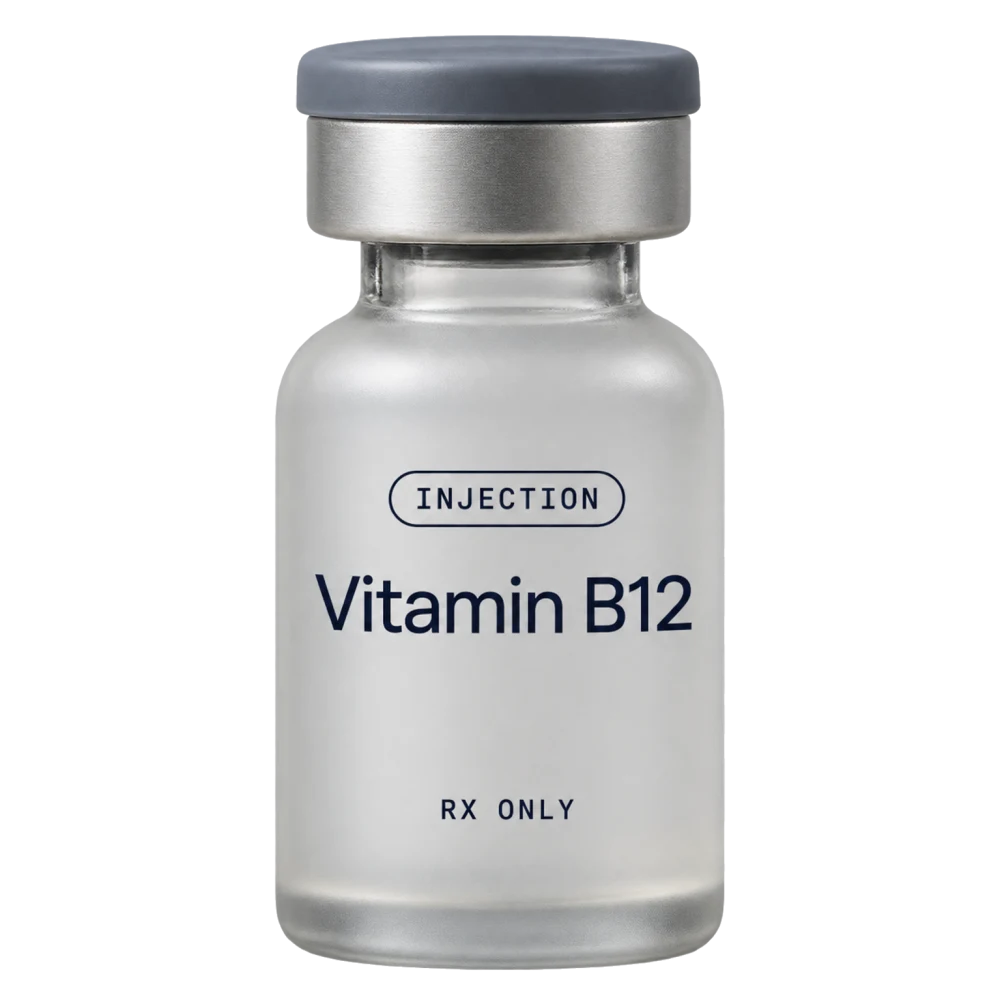
Vitamin B12 Injection

Vitamin B12 Injection

Injection under the skin. Once a week.

From $99/mo

Long-term metformin can lower vitamin B12.

Compounded medication, not FDA approved
Peptides
Sermorelin

Sermorelin

Nightly injection or sublingual.

From $274/mo

Chosen for sleep, recovery and energy.

Compounded medication, not FDA approved

See all in this category →

What do online hormone, peptide and weight programs cost here? →7 questions to ask before you start an online treatment program →

Pictures are illustrations, except brand-name medications, which are pictured in the manufacturer's own packaging. Peak Protocol Rx does not compound or dispense medication. If a physician prescribes any other treatment, it comes from a licensed pharmacy in that pharmacy's own packaging and labeling, and it will not look like its picture.

Compounded medications are not FDA-approved. The FDA does not review compounded medications for safety, effectiveness, or quality.

Safety

Important safety information.

Read this before you start. A licensed physician reviews your health history and decides whether treatment is appropriate.

Who it suits
  • Adults who want a physician-guided longevity plan and understand that benefits for healthy aging are not established in people
  • People who are willing to have the blood tests and follow-up visits the physician asks for
  • Adults who do not have a condition, or take a medicine, that already weakens the immune system
  • People who are not pregnant, not planning a pregnancy and not breastfeeding

A licensed physician decides whether treatment is appropriate.

Ask first
  • Tell the physician if you have an infection now, get infections often, or have a weakened immune system. Rapamycin lowers immune activity.
  • Tell the physician if you have kidney, liver or heart disease, or if you drink alcohol regularly. These raise the risk of lactic acidosis, a rare but serious side effect of metformin.
  • Tell the physician if you have or have had cancer, diabetes, high cholesterol or triglycerides, or a low vitamin B12 level.
  • Tell the physician if you are pregnant, plan to become pregnant or are breastfeeding. Rapamycin may harm an unborn baby.
  • Tell the physician about every medicine and supplement you take, and ask about grapefruit juice, which interacts with rapamycin.
  • Tell the physician before any vaccine, surgery or X-ray test that uses injected dye.
Side effects

Rapamycin lowers the activity of the immune system, which can raise the risk of infection and of certain cancers, and metformin can rarely cause lactic acidosis, a serious build-up of acid in the blood.

More common

  • Nausea, diarrhea, gas or stomach discomfort
  • Mouth sores
  • Headache
  • Joint or muscle pain
  • A change in taste
  • Acne

Serious: get medical help

  • Fever, chills, sore throat or other signs of infection: call the physician right away
  • Extreme tiredness, muscle pain, fast or deep breathing, stomach pain with vomiting, or feeling cold (possible lactic acidosis): stop metformin and call the physician immediately or get emergency medical help
  • New or worsening cough, trouble breathing or chest pain: get medical help right away
  • Hives, or swelling of the face, lips, tongue or throat: get emergency medical help

This is not a complete list. Read the information that comes with your medication, and ask the pharmacist or the physician about anything that concerns you.

Longevity Stack Core: who should not take it, and what to tell your physician

This stack has 3 medications, and each has its own cautions. This section gives the main points for the whole stack. The sections after it give the details for NAD+, rapamycin and metformin. A licensed physician reviews your health history and every medicine you take, and decides which parts are right for you.

Do not take this stack if you

  • Are pregnant or breastfeeding, or plan to become pregnant or to breastfeed
  • Have a long-lasting infection, or an immune system weakened by a condition or by a medicine (rapamycin)
  • Are allergic to any of the 3 medications

Tell your physician if you

  • Have or have had kidney disease. Metformin is usually not used when kidney function is low
  • Have liver disease or heart failure, are over 65, or drink alcohol heavily. These raise the risk of lactic acidosis, a rare but serious side effect of metformin
  • Have or have had cancer, diabetes, high cholesterol or triglycerides, or a low vitamin B12 level
  • Get infections often
  • Take any other medicine or supplement. Several medicines, and grapefruit juice, interact with rapamycin
  • Are due for a vaccine, surgery, or a scan that uses contrast dye

Get medical help right away for

  • Fever, chills, a sore throat or other signs of infection
  • Extreme tiredness, muscle pain, fast or deep breathing, stomach pain with vomiting, or feeling cold. These are signs of lactic acidosis: stop metformin and get emergency help
  • A new or worsening cough, trouble breathing or chest pain
  • Hives, or swelling of the face, lips, tongue or throat: get emergency help

Take each medication only as prescribed, and follow each pharmacy label. Do not take a double dose to make up for a missed dose.

NAD+ injection and nasal spray: common side effects and what to do

NAD+ is 1 of the 3 parts of this stack. Its side effects are usually mild.

Injection: if the injection spot gets irritated

  • Irritation of the skin where you inject is the most common side effect
  • Change where you inject each time
  • Ask your physician about injecting less often
  • Ask your pharmacist about an over-the-counter hydrocortisone itch cream
  • If the irritation does not settle, stop and contact your physician

Nasal spray: common side effects

  • Tiredness
  • Headache
  • Stomach discomfort

If you notice any of these, use the spray less often or stop, and tell your physician.

Tell your physician if you

  • Have or have had cancer
  • Have a heart condition

Do not use NAD+ if you

  • Are pregnant or breastfeeding
  • Plan to become pregnant or to breastfeed

If you become pregnant during treatment, stop right away and tell your physician.

Get medical help right away for

  • Chest pressure or chest pain that does not pass quickly
  • Hives, swelling of the face or throat, or trouble breathing
  • Redness, swelling or red streaks where you inject, or a fever
Rapamycin: side effects, interactions, and when not to take it

Rapamycin is 1 of the 3 parts of this stack. Low-dose weekly rapamycin is generally well tolerated. Share your full health history with your physician, who decides whether it is right for you.

Common side effects

  • Mouth sores
  • Nausea
  • Diarrhea

Most are mild and go away on their own within 1 to 2 weeks. Tell your physician about a mouth sore, or any infection, that does not clear up as quickly as usual.

Medicines and foods that interact

  • Cyclosporine, rifampin, ketoconazole, fluconazole, posaconazole, ritonavir, cidofovir and mifepristone
  • Cimetidine, cannabidiol (CBD) and St. John's wort
  • Grapefruit juice

Tell your physician about every medicine and supplement you take.

Do not take rapamycin if you

  • Are pregnant or breastfeeding, or plan to become pregnant or to breastfeed
  • Have a long-lasting infection, such as HIV or Lyme disease
  • Have an immune system weakened by a condition or by a medicine
  • Are allergic to rapamycin or to any ingredient listed on the pharmacy label

Rapamycin may harm an unborn baby. Its drug information advises effective birth control before treatment, during treatment and for 12 weeks after the last dose.

Tell your physician if you

  • Have or have had cancer, including skin cancer
  • Have or have had high cholesterol or triglycerides, diabetes or liver disease
  • Get infections often
  • Are due for a vaccine. Do not get a vaccine without asking your physician first

Before surgery

  • Tell your surgeon or dentist that you take rapamycin. It is usually stopped at least 1 month before surgery and restarted only when the surgeon says so. Wounds can be slow to heal.

Infections and sun

  • Rapamycin lowers the activity of the immune system. That can make infections more likely, and it can raise the risk of certain cancers, including skin cancer
  • Limit your time in the sun, and use sunscreen and protective clothing

Call your physician right away for

  • Fever, chills, a sore throat, painful or frequent urination, or other signs of infection
  • A new or changing skin sore, swollen glands, night sweats or weight loss you cannot explain
  • A new or worsening cough, shortness of breath or trouble breathing
  • Unusual bleeding or bruising, or a wound that is red, oozing or slow to heal
  • Hives, a rash, or swelling of the face, lips, tongue or throat: get emergency help
Metformin: side effects, lactic acidosis, and vitamin B12

Metformin is 1 of the 3 parts of this stack. Stomach side effects are common when you first start metformin, and usually go away on their own within a few weeks.

Common when you first start

  • Diarrhea
  • Upset stomach, cramps or gas
  • Nausea
  • A change in taste
  • Headache
  • Tiredness

They can come back for a short time when your dose goes up.

What helps

  • Take it with food, at about the same time each day
  • Start low and build up, as your physician directs
  • Eat slowly and at regular times
  • Drink water before your dose
  • Go easy on alcohol and on fried, greasy food

Tell your physician if you

  • Have or have had kidney disease. Metformin is usually not used when kidney function is low
  • Have liver disease or heart failure, are over 65, or drink alcohol heavily or binge drink. These raise the risk of lactic acidosis
  • Take insulin or another diabetes medicine, topiramate or cimetidine
  • Have ever had a low vitamin B12 level
  • Are pregnant, breastfeeding or planning a pregnancy

Before surgery or a scan

  • Tell the doctor ordering any surgery, or any scan that uses contrast dye such as a CT scan, that you take metformin. It usually has to be paused first.

Vitamin B12

  • Long-term use can lower vitamin B12, more so at higher doses
  • Your physician may check your level or suggest a B12 supplement or injection
  • Tell your physician if you notice numbness or tingling in your hands or feet, or unusual tiredness

Stop metformin and get emergency help for

  • Extreme tiredness or weakness, muscle pain, trouble breathing, stomach pain with nausea or vomiting, dizziness, feeling cold, or a fast or slow heartbeat

These are signs of lactic acidosis, a rare but serious build-up of acid in the blood. It is more likely with kidney problems, liver problems or heavy drinking.

Sources
  1. Clement J, et al. The plasma NAD+ metabolome is dysregulated in "normal" aging (29 healthy adults aged 20 to 87; Figure 2). Rejuvenation Research, 2019.
  2. Covarrubias AJ, et al. NAD+ metabolism and its roles in cellular processes during ageing. Nature Reviews Molecular Cell Biology, 2021.
  3. Moel M, et al. Influence of rapamycin on safety and healthspan metrics after one year: PEARL trial results (114 healthy adults aged 50 to 85; compounded rapamycin 5 mg or 10 mg weekly or placebo; lean muscle and pain results are for women on 10 mg). Aging, 2025.
  4. Johnson SC, Rabinovitch PS, Kaeberlein M. mTOR is a key modulator of ageing and age-related disease (review). Nature, 2013.
  5. Harrison DE, et al. Rapamycin fed late in life extends lifespan in genetically heterogeneous mice. Nature, 2009.
  6. Hundal RS, et al. Mechanism by which metformin reduces glucose production in type 2 diabetes (7 adults, 3 months). Diabetes, 2000.
  7. Kulkarni AS, Gubbi S, Barzilai N. Benefits of metformin in attenuating the hallmarks of aging (review). Cell Metabolism, 2020.
  8. Bailey CJ. Metformin: historical overview. Diabetologia, 2017.
  9. Sirolimus (rapamycin): MedlinePlus drug information, National Library of Medicine.
  10. Metformin: MedlinePlus drug information, National Library of Medicine.
  11. Lee et al., Targeting ageing with rapamycin and its derivatives in humans: a systematic review, The Lancet Healthy Longevity, 2024
  12. Barzilai et al., Metformin as a tool to target aging, Cell Metabolism, 2016

These sources are for general education. They do not replace advice from a licensed physician.

How to read the labels
FDA-approved
The product itself has been reviewed and approved by the FDA for at least 1 use. A physician may prescribe it for another use, which is called off-label.
Compounded
Prepared by a licensed pharmacy for 1 patient's prescription. Not FDA approved.

Compare FDA-approved and compounded →

Important information

About compounded medications. A compounded medication is prepared by a licensed pharmacy for 1 patient, from that patient's prescription. Compounded medications are not FDA-approved. The FDA does not review compounded medications for safety, effectiveness, or quality. A compounded medication is not a generic version of any brand-name drug. Peak Protocol Rx does not make or compound any medication: independent licensed pharmacies fill every prescription. A licensed physician decides whether a compounded medication or an FDA-approved medication is appropriate for you.

A prescription is required. A prescription is issued only if a licensed physician determines that treatment is appropriate for you.

A listing here is not a recommendation. A licensed physician evaluates you and decides whether any treatment is appropriate. Availability varies by state.

Individual results vary. No outcome is guaranteed.

All medical decisions are made solely by licensed healthcare professionals. Medications are prescribed only when medically necessary. GLP-1 medications are not suitable for everyone. Results may vary.
Peak performance at every age.

Get startedFind your treatment