NAD+
Injection or nasal spray. As your physician directs.
From $199/moA popular add for energy and healthy aging.
Compounded medication, not FDA approved
Compounded medication, not FDA approved
The vitamin behind your energy, your red blood cells and your nerves, in a once-weekly injection that skips the gut.
From $99 a month
Injection under the skin. Once a week.
Selected: 2 months. 2-month package $198 (about $99 a month).
Pick a time. A licensed physician calls you then.
Opens the secure patient portal. No health questions are asked on this website.
Vitamin B12 does 3 big jobs. It helps turn the food you eat into energy. It builds the red blood cells that carry oxygen around your body. And it keeps your nerves working. When your B12 runs low, you feel it: tired and run down.
Low B12 is common and easy to miss. About 1 in 8 U.S. adults has a level on the low side, and feeling tired is a common sign. A weekly injection brings your level up without relying on your gut.
Medications are sourced directly from US-based, state-licensed pharmacies to ensure the highest standards of safety, consistency, and quality in compounded formulations.
Serious side effects from vitamin B12 injections are uncommon, but they need prompt attention.
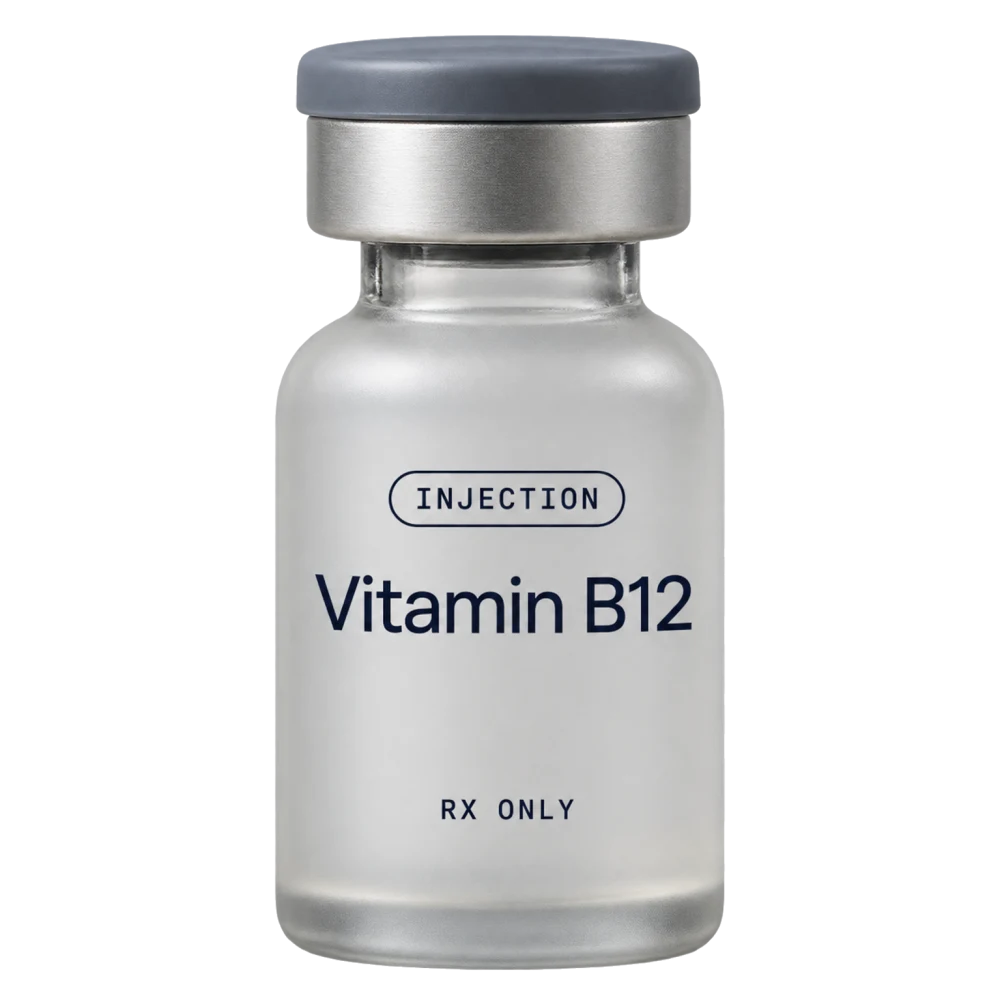
Pictures are illustrations, except brand-name medications, which are pictured in the manufacturer's own packaging. Peak Protocol Rx does not compound or dispense medication. If a physician prescribes any other treatment, it comes from a licensed pharmacy in that pharmacy's own packaging and labeling, and it will not look like its picture.
Vitamin B12 does 3 big jobs. It helps turn the food you eat into energy. It builds the red blood cells that carry oxygen around your body. And it keeps your nerves working. When your B12 runs low, you feel it: tired and run down.
Getting B12 out of food takes work. Stomach acid has to free it, and a stomach protein called intrinsic factor has to carry it across your gut. That system slows down with age, and medicines such as metformin and acid reducers get in its way. An injection skips the gut and puts B12 straight into your body.
Swallow a 1,000 mcg dose of B12 and your gut takes in only about 1.3% of it. An injection skips the gut.1
Tap a dose.
Results vary. Clinical trial results apply only to the FDA-approved branded medication specifically identified and do not apply to compounded medications. All medications must be prescribed by a licensed provider based on medical necessity.

Low B12 is common and easy to miss. About 1 in 8 U.S. adults has a level on the low side, and feeling tired is a common sign. A weekly injection brings your level up without relying on your gut.
Your cells need B12 to turn food into energy. When B12 is low, tiredness is a common sign.1
B12 builds healthy red blood cells, which carry oxygen to your muscles and your brain.1
B12 keeps your nerves working. Low B12 can show up as numbness and tingling in the hands and feet.1
An injection does not depend on stomach acid or on how well your gut absorbs. By mouth, only about 1.3% of a 1,000 mcg dose gets in.1
In a trial of 390 adults that ran for more than 4 years, B12 levels were 19% lower on metformin than on a placebo.2
In a study of more than 200,000 adults, 2 or more years on an acid reducer called a proton pump inhibitor went with 65% higher odds of B12 deficiency.3
The graphics are illustrations, not measured results. Results vary. Clinical trial results apply only to the FDA-approved branded medication specifically identified and do not apply to compounded medications. All medications must be prescribed by a licensed provider based on medical necessity.
A licensed physician reviews your health history, your diet and your medicines, and decides whether a B12 injection is right for you. Ask whether a blood test of your B12 level makes sense.
Your first weekly injection, with a small needle just under the skin. Use a new spot each week.
Your B12 level comes up week by week. If it was low, this is when people look for steadier energy and less of that run-down feeling.
1 injection a week keeps your level topped up. Your physician reviews how you feel and whether your plan still fits.
Everyone responds differently. A licensed physician sets the plan and reviews how it is going.
Medications are sourced directly from US-based, state-licensed pharmacies to ensure the highest standards of safety, consistency, and quality in compounded formulations.
Peak Protocol Rx does not make or compound any medication. Independent licensed pharmacies fill every prescription.
Every prescription is prepared and dispensed by a state-licensed pharmacy in the United States.
A compounded medication is made for 1 patient's prescription, after a licensed physician prescribes it.
All compounding meets the requirements of the state board of pharmacy and comes with a valid Certificate of Analysis.
Every batch is tested by an independent laboratory before it is dispensed.
Still have questions? Interested in more than 1 treatment? Schedule a free Care Team consultation

You see the price before you pay.
Choose your treatment, answer the health questions in the secure patient portal, and pick the time that suits you. You see the price before you pay.

A licensed physician reviews your health history with you.
Licensed in your stateSame-day and next-day appointments are usually available. An independent physician licensed in your state calls you at the time you picked. Some visits are by video. The physician decides whether treatment is appropriate.

A licensed U.S. pharmacy prepares your medication and ships it with tracking. Delivery usually takes 4 to 5 business days. Allow up to 7 to 10.

How is everything going? Message us any time.
Refill scheduledA general comparison with the published terms of large telehealth brands and with typical primary care practices, November 2026. Individual companies and practices differ.

Free consultation. A reply in under 24 hours.
Real people, with you at every step.
A Care Team member can call you, free, to answer questions about options, pricing and how the process works. The Care Team does not make medical decisions. A licensed physician does.
A vitamin your body needs to turn food into energy, make red blood cells, keep nerves healthy and build DNA. It comes from animal foods: fish, meat, poultry, eggs and dairy.
Because B12 is hard to absorb. From food, it needs stomach acid and a stomach protein called intrinsic factor. By mouth, your gut takes in only about 2% of a 500 mcg dose and about 1.3% of a 1,000 mcg dose. An injection skips the gut.
People whose B12 runs low. That includes adults over 60, people who eat little or no animal food, people who have had stomach or bowel surgery or who have celiac disease, and people who take metformin or an acid reducer for years.
If your B12 is low, bringing it back up is how the tiredness lifts. If your B12 is already good, extra B12 has not been shown to add energy or endurance. A blood test shows where you stand.
More common than most people think. About 1 in 8 U.S. adults has a B12 level on the low side. In large surveys in the United States and the United Kingdom, about 6% of adults aged 60 and over were deficient, and closer to 20% were borderline.
As you get older, your stomach gets worse at freeing B12 from food. In older adults, that is the main cause of low B12. About 8% to 9% of adults aged 65 and over have a thinned stomach lining that makes less acid and less intrinsic factor.
Yes. Both get in the way of B12. In a trial of 390 adults that ran for more than 4 years, B12 levels were 19% lower on metformin than on a placebo. In a study of more than 200,000 adults, 2 or more years on a proton pump inhibitor, such as omeprazole, went with 65% higher odds of B12 deficiency. Tell your physician how long you have taken yours.
As a small injection just under the skin, once a week, or as your physician directs. Use a new spot each time, and put used needles in a sharps container. The pharmacy label gives the exact directions.
The most common is mild soreness where the injection goes in. Diarrhea is also possible. Serious reactions are uncommon. Get medical help right away for hives, a rash, or trouble breathing or swallowing.
B12 is considered safe even at high doses, and no upper limit has been set for it. Use only the amount prescribed.
Tell your physician about every medicine, vitamin and supplement you take. Do not add it to a plan that already includes a B12 injection.
Yes. A licensed physician reviews your health history and your goals and decides whether a B12 injection is right for you.
These work well together. A licensed physician decides what is right for you.
Injection or nasal spray. As your physician directs.
From $199/moA popular add for energy and healthy aging.
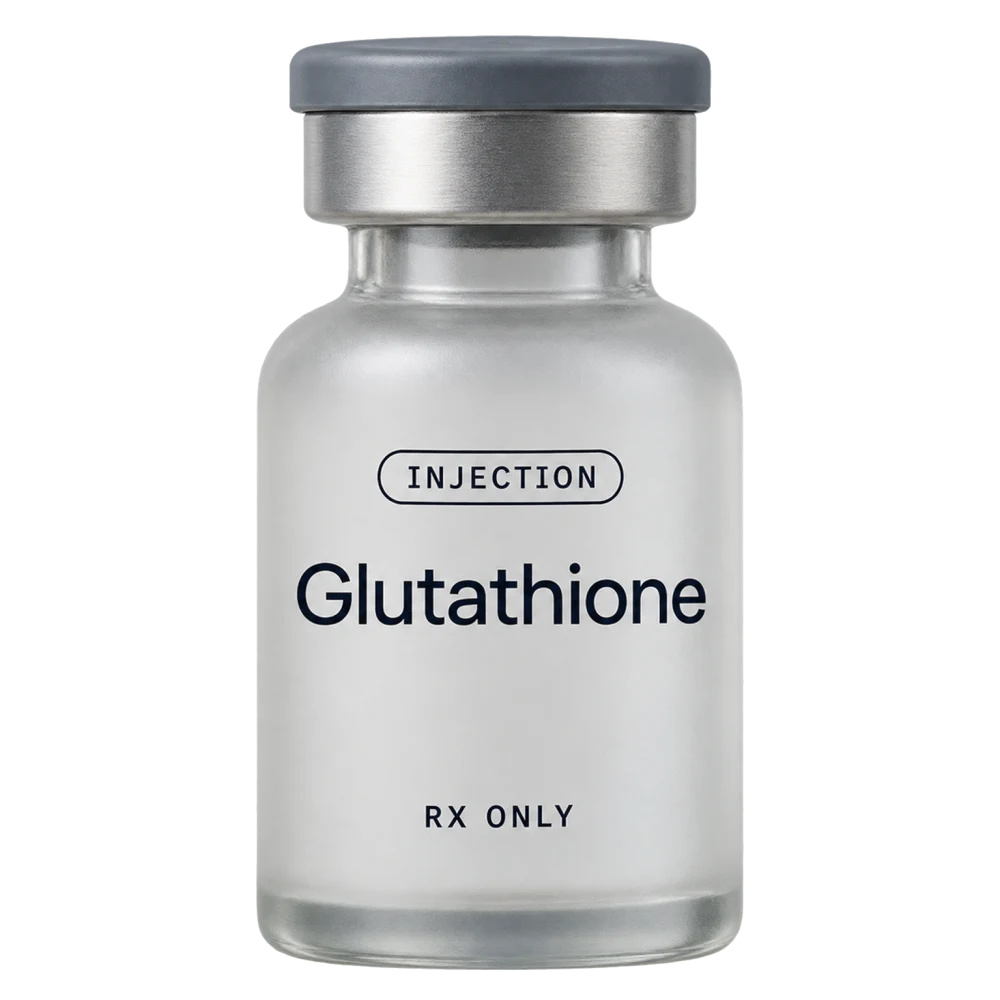
Injection or nasal spray. As your physician directs.
From $129/moAntioxidant support for your cells.
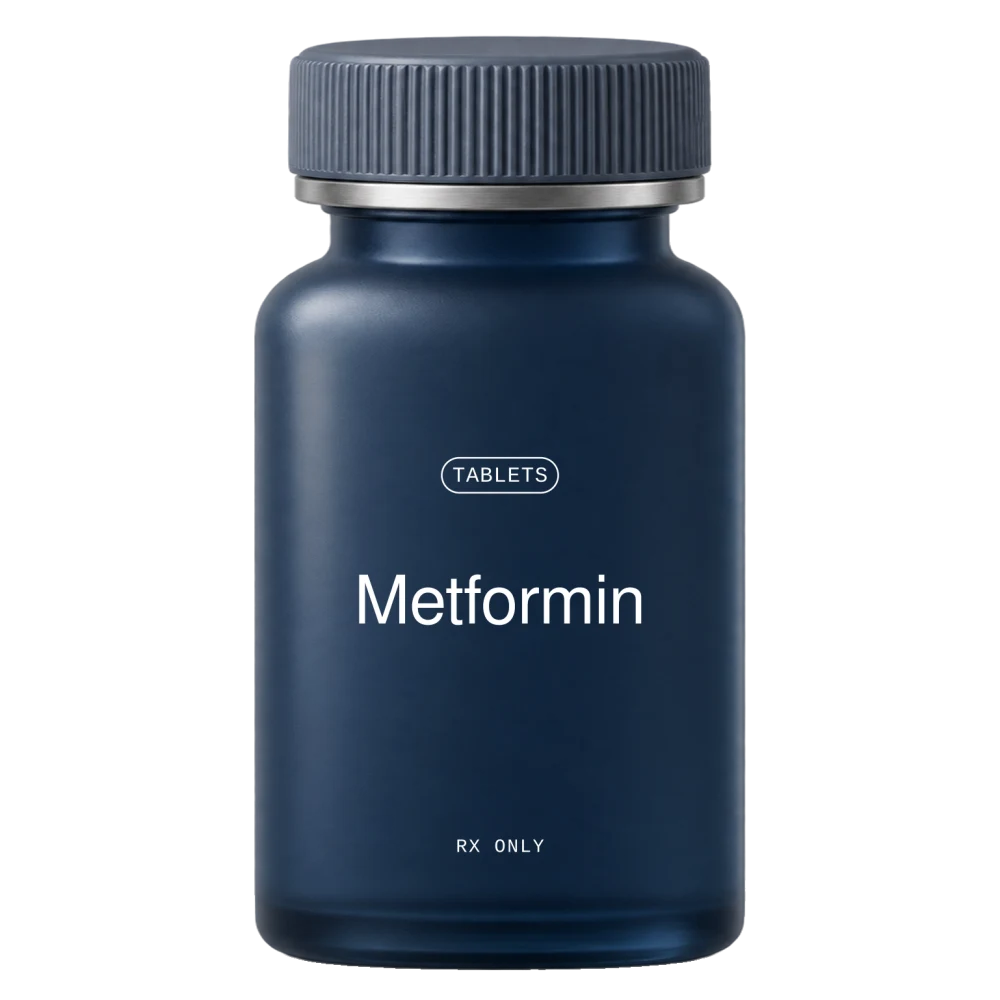
Tablet. Taken daily.
$199 for 3 monthsLong-term metformin lowers B12, so the 2 fit together.
Pictures are illustrations, except brand-name medications, which are pictured in the manufacturer's own packaging. Peak Protocol Rx does not compound or dispense medication. If a physician prescribes any other treatment, it comes from a licensed pharmacy in that pharmacy's own packaging and labeling, and it will not look like its picture.
Compounded medications are not FDA-approved. The FDA does not review compounded medications for safety, effectiveness, or quality.
Read this before you start. A licensed physician reviews your health history and decides whether treatment is appropriate.
A licensed physician decides whether treatment is appropriate.
Serious side effects from vitamin B12 injections are uncommon, but they need prompt attention.
This is not a complete list. Read the information that comes with your medication, and ask the pharmacist or the physician about anything that concerns you.
Vitamin B12 is generally considered safe, even at high doses. Serious side effects from B12 injections are uncommon, but they need prompt attention. Share your full health history with your physician, who decides whether it is right for you.
Tell your physician if any of these is severe or does not go away.
Use a new spot for each injection, and put used needles in a sharps container. Use only the amount prescribed.
These sources are for general education. They do not replace advice from a licensed physician.
About compounded medications. A compounded medication is prepared by a licensed pharmacy for 1 patient, from that patient's prescription. Compounded medications are not FDA-approved. The FDA does not review compounded medications for safety, effectiveness, or quality. A compounded medication is not a generic version of any brand-name drug. Peak Protocol Rx does not make or compound any medication: independent licensed pharmacies fill every prescription. A licensed physician decides whether a compounded medication or an FDA-approved medication is appropriate for you.
A prescription is required. A prescription is issued only if a licensed physician determines that treatment is appropriate for you.
A listing here is not a recommendation. A licensed physician evaluates you and decides whether any treatment is appropriate. Availability varies by state.
Individual results vary. No outcome is guaranteed.
All medical decisions are made solely by licensed healthcare professionals. Medications are prescribed only when medically necessary. GLP-1 medications are not suitable for everyone. Results may vary.
 6 pages. No health questions.
A free checklist for comparing programs before you pay. It opens here as soon as you sign up.