Glutathione
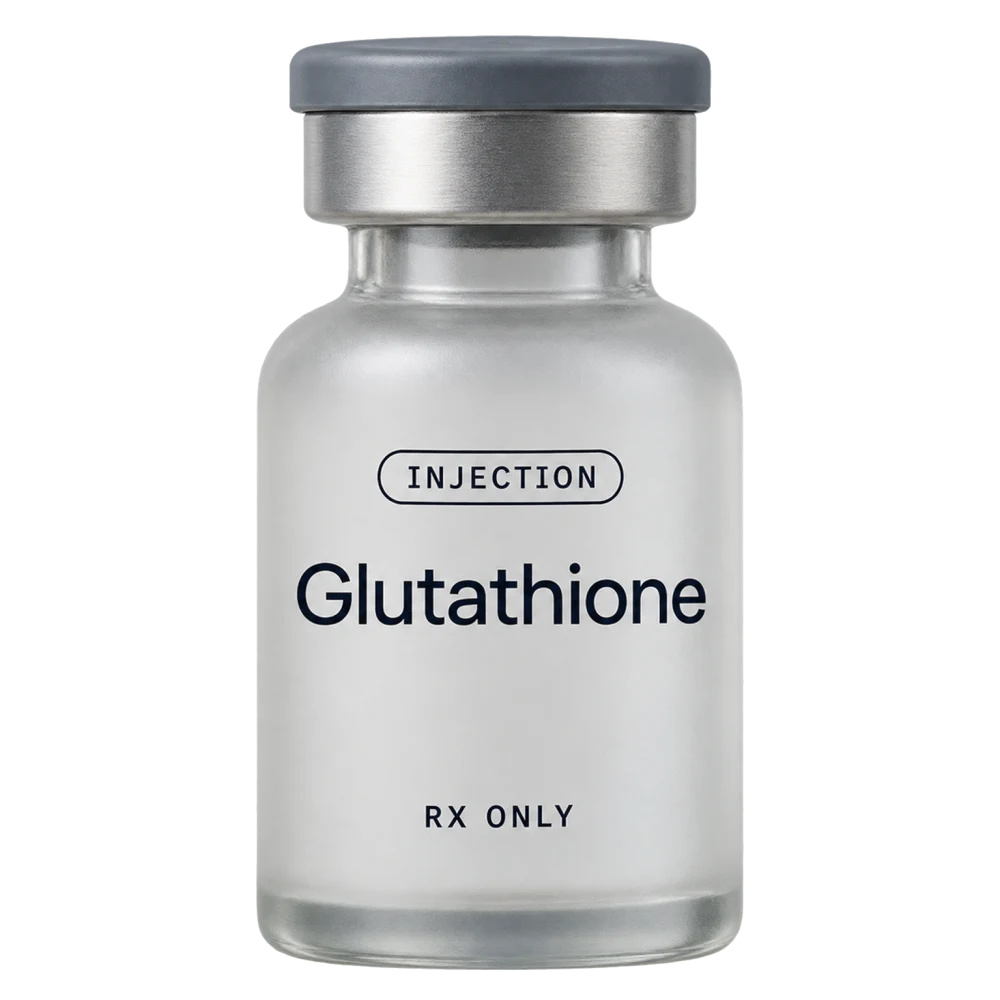
Injection or nasal spray. As your physician directs.
From $129/moAntioxidant support for your cells.
Compounded medication, not FDA approved
Compounded medication, not FDA approved
Acne does not end with your teens. 4 prescription ingredients in 1 cream clear clogged pores, calm breakouts and fade the marks they leave behind.
$149 a month
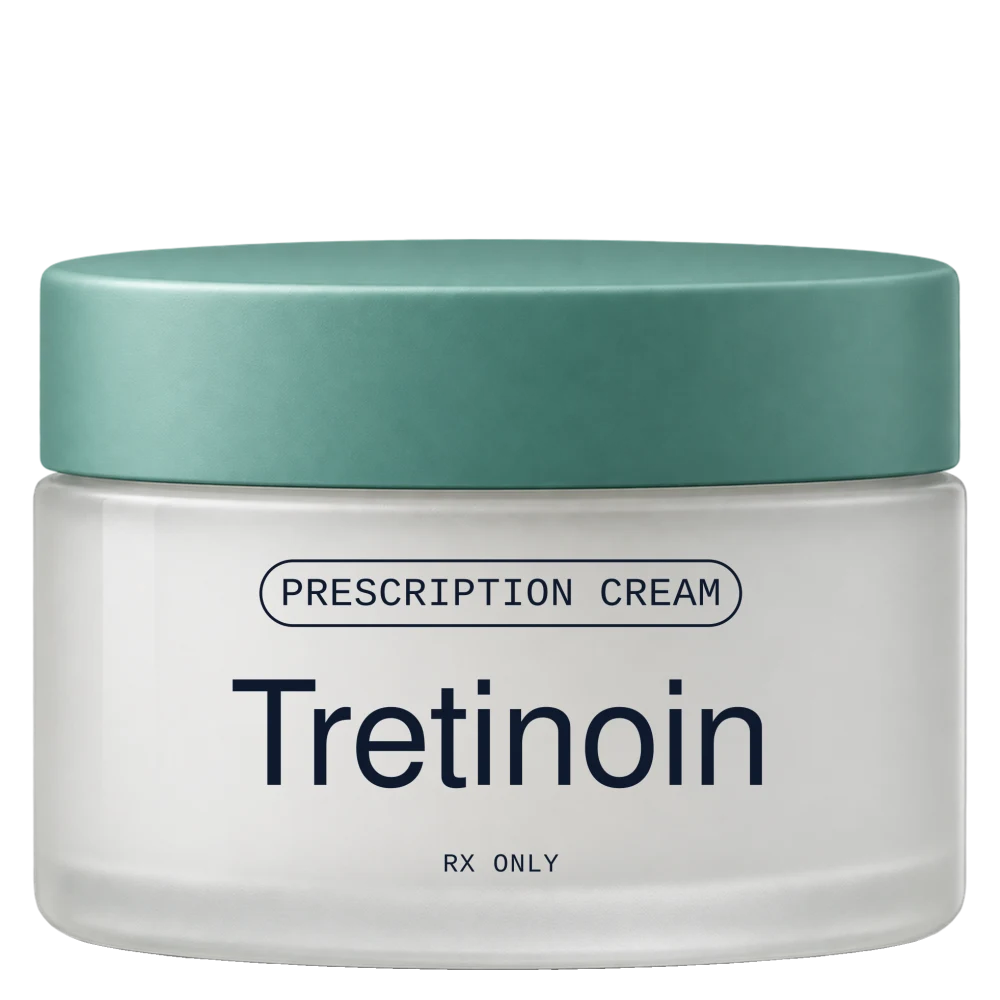
Cream. As your physician directs.
An acne formula combining azelaic acid, clindamycin, tranexamic acid and tretinoin for active breakouts and post-acne marks.
Not for use during pregnancy.
Selected: 2 months. 2-month package $248.
No appointment needed. Complete the intake online. A licensed physician reviews it and calls only if needed.
Opens the secure patient portal. No health questions are asked on this website.
A pimple starts long before you see it. Dead skin cells and oil plug a pore. Bacteria grow inside the plug. Your skin answers with redness and swelling. When the pimple is gone, a dark or red mark often stays behind. And acne is not only for teenagers: in a survey of 1,013 adults, half of the women in their 20s had it.
Acne has several causes at once, so acne guidelines recommend combining medicines that work in different ways. Radiance Acne Cream does that in 1 step: a retinoid, an antibiotic, azelaic acid and tranexamic acid.
Medications are sourced directly from US-based, state-licensed pharmacies to ensure the highest standards of safety, consistency, and quality in compounded formulations.
Not for use during pregnancy, and clindamycin applied to the skin can cause severe diarrhea in some people, which needs prompt medical attention.
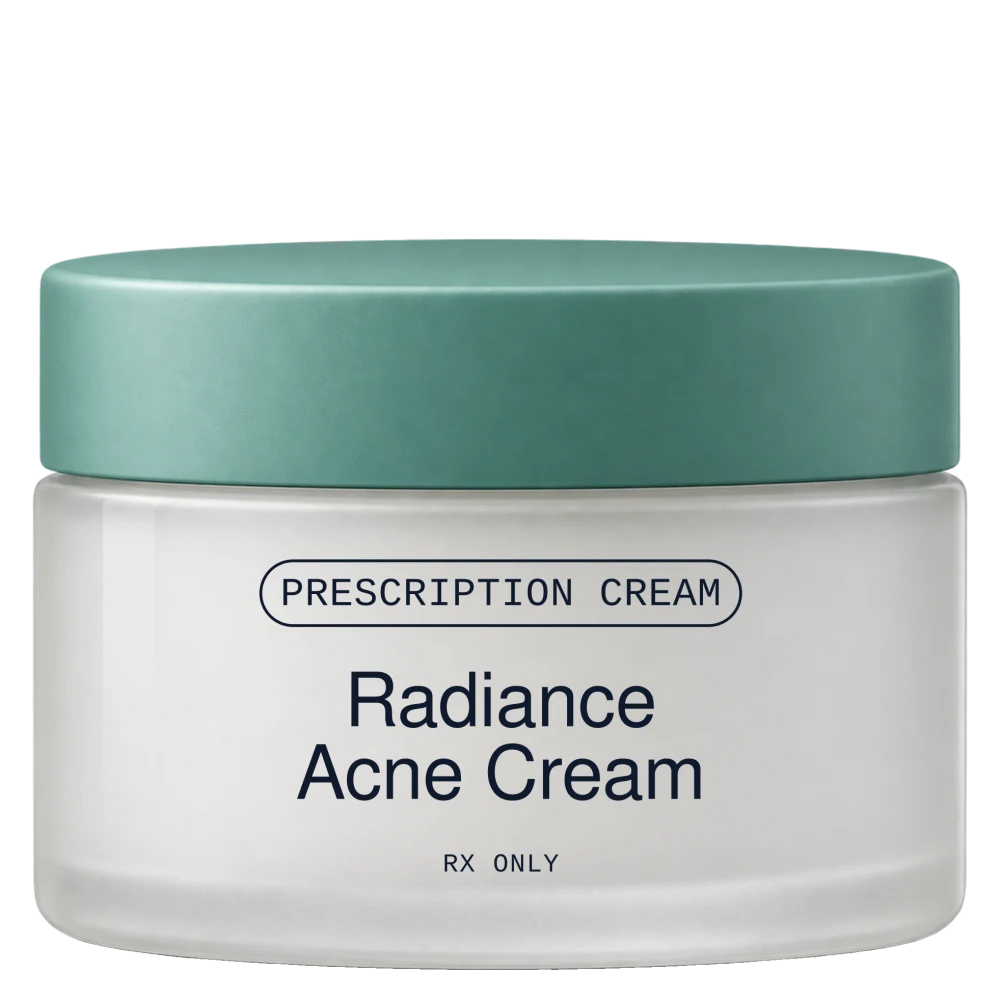
Pictures are illustrations, except brand-name medications, which are pictured in the manufacturer's own packaging. Peak Protocol Rx does not compound or dispense medication. If a physician prescribes any other treatment, it comes from a licensed pharmacy in that pharmacy's own packaging and labeling, and it will not look like its picture.
A pimple starts long before you see it. Dead skin cells and oil plug a pore. Bacteria grow inside the plug. Your skin answers with redness and swelling. When the pimple is gone, a dark or red mark often stays behind. And acne is not only for teenagers: in a survey of 1,013 adults, half of the women in their 20s had it.
Radiance Acne Cream works on every step. Tretinoin, a form of vitamin A, clears clogged pores and stops new plugs early. Clindamycin is an antibiotic that slows the bacteria behind acne and calms swelling. Azelaic acid fights those bacteria too, and cuts down the keratin that blocks pores. Tranexamic acid slows the making of extra pigment and calms redness, for the marks breakouts leave behind.
Half of women in their 20s have acne. So do more than 1 in 3 women in their 30s, and 1 in 4 in their 40s.1
Tap an age.
Results vary. Clinical trial results apply only to the FDA-approved branded medication specifically identified and do not apply to compounded medications. All medications must be prescribed by a licensed provider based on medical necessity.

Acne has several causes at once, so acne guidelines recommend combining medicines that work in different ways. Radiance Acne Cream does that in 1 step: a retinoid, an antibiotic, azelaic acid and tranexamic acid.
Tretinoin clears the plugs that clog pores and stops new clogs early. Acne guidelines give retinoids a strong recommendation.2
Clindamycin slows the bacteria behind acne and calms swelling. Guidelines give antibiotics used on the skin a strong recommendation.2
In a 3-month trial of 92 people with inflamed acne, a 20% azelaic acid cream cut the number of pimples and beat a plain cream by a wide margin.4
Tranexamic acid slows pigment making and calms inflammation. Physicians use it on the dark and red marks acne leaves behind.7
Tretinoin speeds up the making of new skin cells, so skin feels smoother as it clears.5
Guidelines recommend combining acne medicines that work in different ways. You apply 1 cream, not 4.2
The graphics are illustrations, not measured results. Results vary. Clinical trial results apply only to the FDA-approved branded medication specifically identified and do not apply to compounded medications. All medications must be prescribed by a licensed provider based on medical necessity.
Your skin adjusts. In the first 7 to 10 days, expect some redness, flaking and more pimples. This is normal with tretinoin. Keep going, moisturize, and wear sunscreen every morning.
Breakouts start to calm. With tretinoin, pimples usually improve within 2 to 3 weeks, and sometimes take more than 6. The early dryness eases.
Fewer new pimples, and pores look clearer. The azelaic acid trial measured its results at 3 months.
Marks fade more slowly than pimples, so stay consistent and keep up the sunscreen. Your physician reviews your skin and adjusts your plan.
Everyone responds differently. A licensed physician sets the plan and reviews how it is going.
Medications are sourced directly from US-based, state-licensed pharmacies to ensure the highest standards of safety, consistency, and quality in compounded formulations.
Peak Protocol Rx does not make or compound any medication. Independent licensed pharmacies fill every prescription.
Every prescription is prepared and dispensed by a state-licensed pharmacy in the United States.
A compounded medication is made for 1 patient's prescription, after a licensed physician prescribes it.
All compounding meets the requirements of the state board of pharmacy and comes with a valid Certificate of Analysis.
Every batch is tested by an independent laboratory before it is dispensed.
Still have questions? Interested in more than 1 treatment? Schedule a free Care Team consultation

You see the price before you pay.
Choose your treatment and answer the health questions in the secure patient portal. You see the price before you pay.

Your information is reviewed. No appointment is needed for this step.
An independent physician licensed in your state reviews your answers and calls only if needed. If treatment is not appropriate, you are told.

A licensed U.S. pharmacy prepares your medication and ships it with tracking. Delivery usually takes 4 to 5 business days. Allow up to 7 to 10.

How is everything going? Message us any time.
Refill scheduledA general comparison with the published terms of large telehealth brands and with typical primary care practices, November 2026. Individual companies and practices differ.

Free consultation. A reply in under 24 hours.
Real people, with you at every step.
A Care Team member can call you, free, to answer questions about options, pricing and how the process works. The Care Team does not make medical decisions. A licensed physician does.
A prescription cream with 4 ingredients: tretinoin, clindamycin, azelaic acid and tranexamic acid. It is prescribed for active breakouts and for the marks they leave behind.
Because acne has more than 1 cause: clogged pores, bacteria, swelling, and the marks left afterward. Tretinoin clears pores. Clindamycin and azelaic acid work on bacteria and swelling. Tranexamic acid works on the marks. Acne guidelines recommend combining medicines that work in different ways.
Yes. In a survey of 1,013 adults, 51% of women and 43% of men in their 20s had acne. In their 30s it was 35% of women and 20% of men. Even past 50, 15% of women still had it.
Spread a thin layer on clean, dry skin, as your physician directs. Creams with tretinoin are usually used at bedtime. Keep it away from your eyes, mouth and the corners of your nose. The pharmacy label gives the exact directions.
Often, yes. In the first 7 to 10 days, expect some redness, flaking and more pimples. People call this purging. Keep using the cream. Pimples usually improve within 2 to 3 weeks, and sometimes take more than 6.
Breakouts calm first, within the first weeks. Give it 2 to 3 months of steady use for clearer skin. Marks fade last, because skin needs time to renew itself.
Yes, every day. Tretinoin makes your skin burn more easily. Use sunscreen, a hat and shade, and skip tanning beds and sunlamps.
Ask your physician first. Benzoyl peroxide, salicylic acid, scrubs, medicated soaps and products with alcohol add to dryness and irritation. Keep the rest of your routine gentle: a mild cleanser and a plain moisturizer.
Do not use it if you are pregnant, planning a pregnancy or breastfeeding. Tell your physician if you are allergic to clindamycin or lincomycin, or if you have had inflammatory bowel disease or severe diarrhea from an antibiotic.
Apply it when you remember. If it is almost time for the next application, skip the missed dose. Do not apply extra to make up for it.
Talk with your physician before you stop. Retinoids such as tretinoin also keep skin clear once it has cleared, so your physician plans how you hold on to your results.
Yes. A licensed physician reviews your health history, your skin and your goals and decides whether Radiance Acne Cream is right for you. No appointment is needed: you complete the intake online, and the physician calls only if needed.
These work well together. A licensed physician decides what is right for you.
Injection or nasal spray. As your physician directs.
From $129/moAntioxidant support for your cells.
Injection or nasal spray. As your physician directs.
From $199/moA popular add for energy and healthy aging.

At-home urine collection kit. One time.
$498A map of your own hormones, collected at home.
Pictures are illustrations, except brand-name medications, which are pictured in the manufacturer's own packaging. Peak Protocol Rx does not compound or dispense medication. If a physician prescribes any other treatment, it comes from a licensed pharmacy in that pharmacy's own packaging and labeling, and it will not look like its picture.
Compounded medications are not FDA-approved. The FDA does not review compounded medications for safety, effectiveness, or quality.
Read this before you start. A licensed physician reviews your health history and decides whether treatment is appropriate.
A licensed physician decides whether treatment is appropriate.
Not for use during pregnancy, and clindamycin applied to the skin can cause severe diarrhea in some people, which needs prompt medical attention.
This is not a complete list. Read the information that comes with your medication, and ask the pharmacist or the physician about anything that concerns you.
This cream is for use on the skin only. It contains tretinoin, clindamycin (an antibiotic), azelaic acid and tranexamic acid. Most side effects are skin irritation in the first weeks, and they ease as your skin adjusts. Share your full health history and every skin product you use with your physician, who decides whether it is right for you.
A plain moisturizer helps. Tell your physician if any of these is severe or does not go away.
Also tell your physician about every medicine, vitamin and supplement you take.
The 4 ingredients have each been studied on their own or in pairs, not together in this cream. Use only the amount you are prescribed.
These sources are for general education. They do not replace advice from a licensed physician.
About compounded medications. A compounded medication is prepared by a licensed pharmacy for 1 patient, from that patient's prescription. Compounded medications are not FDA-approved. The FDA does not review compounded medications for safety, effectiveness, or quality. A compounded medication is not a generic version of any brand-name drug. Peak Protocol Rx does not make or compound any medication: independent licensed pharmacies fill every prescription. A licensed physician decides whether a compounded medication or an FDA-approved medication is appropriate for you.
A prescription is required. A prescription is issued only if a licensed physician determines that treatment is appropriate for you.
A listing here is not a recommendation. A licensed physician evaluates you and decides whether any treatment is appropriate. Availability varies by state.
Individual results vary. No outcome is guaranteed.
All medical decisions are made solely by licensed healthcare professionals. Medications are prescribed only when medically necessary. GLP-1 medications are not suitable for everyone. Results may vary.
 6 pages. No health questions.
A free checklist for comparing programs before you pay. It opens here as soon as you sign up.