
 Illustrative photo.
Consultation
Lab & diagnostic results review
$89
Want a licensed physician to review your results and give you a one-on-one consultation? Book a free Care Team consultation. The Care Team adds your test and the review to 1 order.
Lab test
1 blood draw that screens for a signal shared by more than 50 types of cancer, most of which have no recommended screening test today. It adds to the screenings your own doctor recommends.
$1,195
Blood draw. One time.
Galleri® by GRAIL is a blood test that screens for a shared cancer signal across more than 50 types of cancer, most of which have no recommended screening today.
A negative result does not rule out cancer.
$1,195
Order online, no appointment.
Opens the secure patient portal. No health questions are asked on this website.
Want a licensed physician to go over your results with you? Book a free Care Team consultation, and the Care Team adds the test and the review to 1 order.
Laboratory-developed test.
About results. Lab results are not reviewed by a licensed physician unless you add the $89 results review. Your report, and any AI-generated guide that comes with it, is for education and is not a diagnosis. Share it with your own doctor.
The Galleri® test, made by GRAIL, is a multi-cancer early detection blood test. It is a screening test. From 1 blood draw, it looks for a signal shared by more than 50 types of cancer, including many that have no recommended screening test today.
Of the more than 50 types of cancer this test screens for, most have no recommended screening test today. The Galleri® test adds a blood-based screen to the screenings your own doctor already recommends. It looks for a signal, and it takes 1 blood draw.
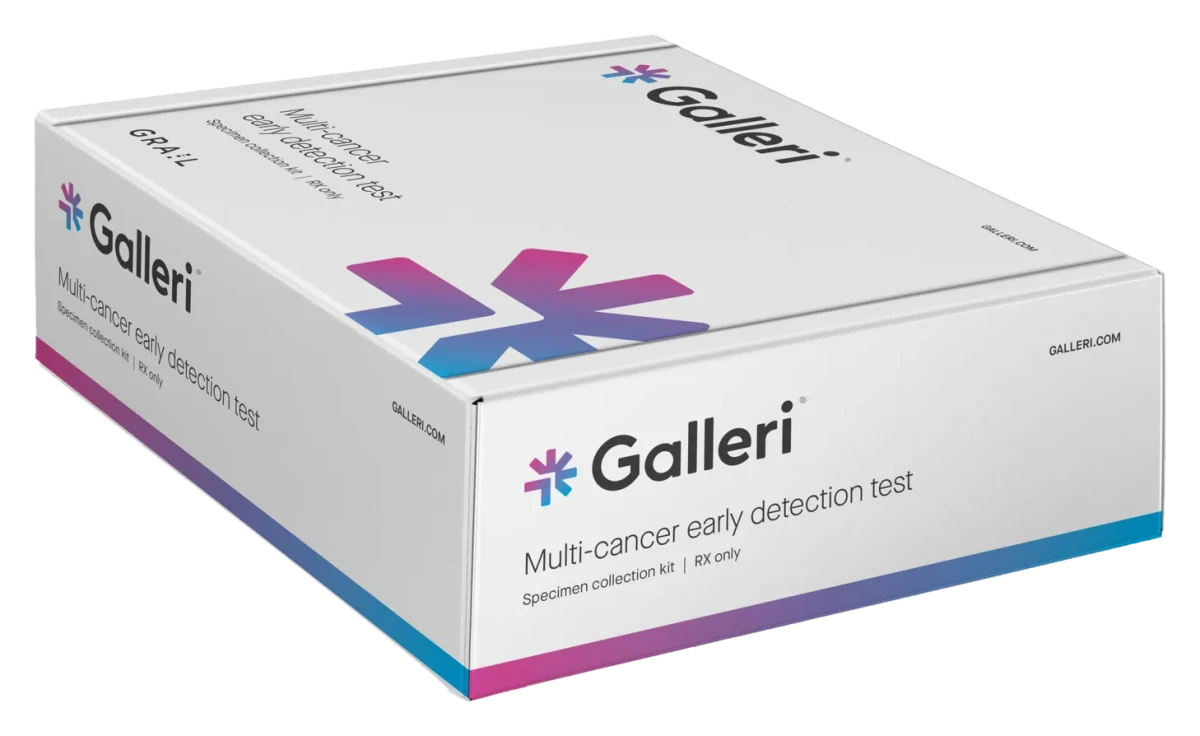
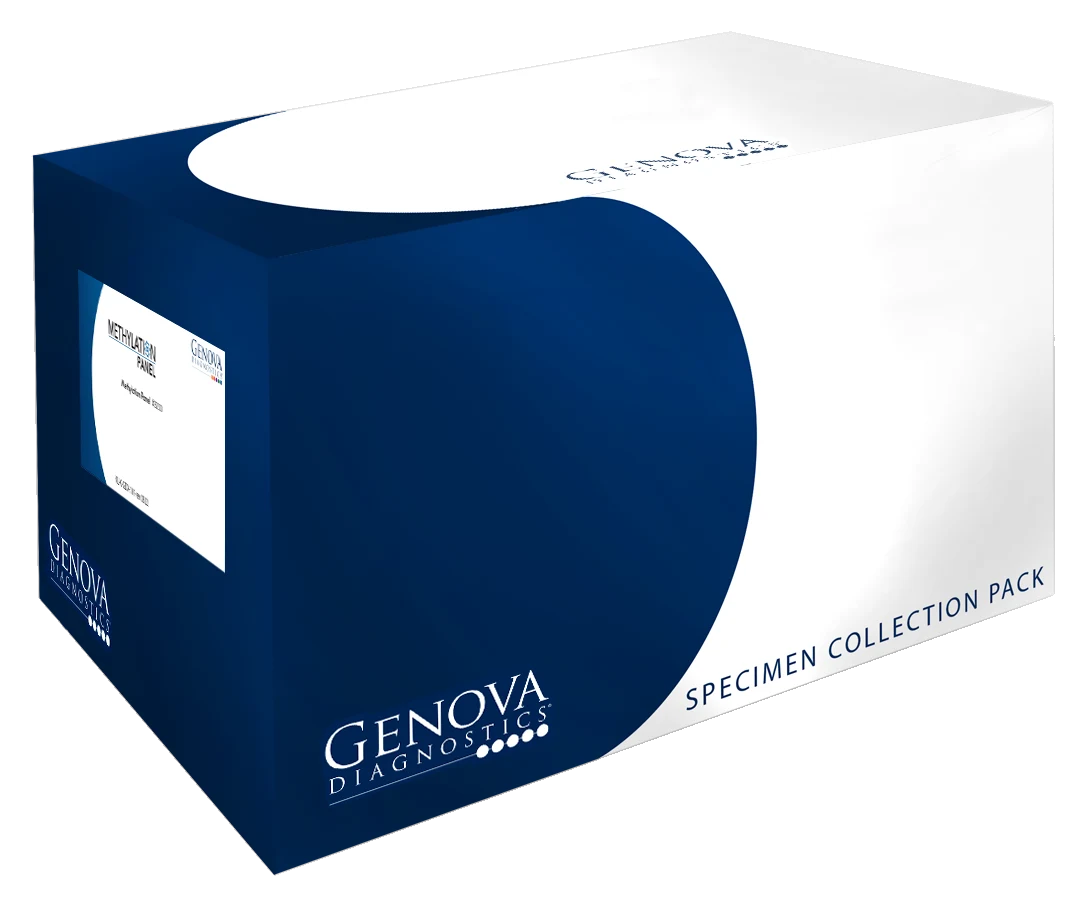
Kit shown is the test maker's own. Contents can vary.
The Galleri® test, made by GRAIL, is a multi-cancer early detection blood test. It is a screening test. From 1 blood draw, it looks for a signal shared by more than 50 types of cancer, including many that have no recommended screening test today.
Cells in your body, including cancer cells, release small pieces of DNA into your blood. The test reads chemical tags on that DNA, called methylation patterns, and looks for a pattern linked to cancer. There are 2 possible results: No Cancer Signal Detected or Cancer Signal Detected. The test adds to the screenings your own doctor recommends. It does not replace them.

Of the more than 50 types of cancer this test screens for, most have no recommended screening test today. The Galleri® test adds a blood-based screen to the screenings your own doctor already recommends. It looks for a signal, and it takes 1 blood draw.
It looks for a signal shared by more than 50 types of cancer, most of which have no recommended screening test today.1
The whole test is 1 blood draw at a national lab. According to the maker, no fasting is needed.2
Your report says 1 of 2 things: No Cancer Signal Detected or Cancer Signal Detected.2
When a signal is detected, the report predicts where in the body it comes from. In the maker's study, it was correct for 88.7% of people whose signal was a true cancer.5
A study in The Lancet followed 6,621 adults age 50 and older who took the test as a screen, with results returned to their own doctors.4
It works alongside the screenings your own doctor recommends, such as those for breast, cervical, colorectal and lung cancer. Keep those appointments.1
The graphics are illustrations, not measured results. Individual results vary.
Order in the secure patient portal. You see the price before you pay. Before you order, decide which doctor you will take the result to.
You receive a lab requisition, the order form for your blood draw at a national lab.
Have your blood drawn. According to the maker, no fasting is needed.
Your report is delivered in the patient portal with 1 of 2 results: No Cancer Signal Detected or Cancer Signal Detected. Take it to your own doctor, and keep up your routine screenings whatever the result.
A test does not diagnose a condition. Share your report with your own doctor.
Illustrative photo.$89
Want a licensed physician to review your results and give you a one-on-one consultation? Book a free Care Team consultation. The Care Team adds your test and the review to 1 order.
A multi-cancer early detection blood test made by GRAIL. It is a screening test that looks for a signal shared by more than 50 types of cancer, including many that have no recommended screening test today.
Cells in the body, including cancer cells, release small pieces of DNA into the blood. From 1 blood draw, the test reads chemical tags on that DNA, called methylation patterns, and looks for a pattern linked to cancer.
According to GRAIL, the test is recommended for adults with an elevated risk of cancer, such as those age 50 or older. The maker does not recommend it for people who are pregnant, 21 years old or younger, or in active cancer treatment.
No. The Galleri® test is meant to be used in addition to the screenings your own doctor recommends. Keep those appointments whatever the result.
It means the test found a pattern that is often linked to cancer. It is not a diagnosis. Follow-up diagnostic testing arranged with your own doctor, such as imaging, is needed, and in many cases no cancer is found. In 1 study of adults age 50 and older, cancer was confirmed in 35 of the 92 people whose test detected a signal.
It means the test did not find the signal it looks for. It does not rule out cancer, because the test does not find a signal for all cancers and misses some. Continue your routine screenings.
In the maker's validation study, the test found a signal in 51.5% of the people who had cancer. It found a signal more often in later stages: 16.8% at stage I, 40.4% at stage II, 77.0% at stage III and 90.1% at stage IV.
In the maker's validation study, 99.5% of the 1,254 people without cancer correctly got a No Cancer Signal Detected result. In a later study of 6,621 adults who took the test as a screen, 92 had a signal detected, and cancer was confirmed in 35 of them.
No. According to the maker, no fasting is needed.
No. This is a screening test. If you have symptoms that worry you, see your own doctor instead of waiting for a screening test.
GRAIL developed the Galleri® test and determined its performance, which makes it a laboratory-developed test. The GRAIL laboratory is certified under the federal CLIA program and accredited by the College of American Pathologists.
Not automatically. Your report is delivered to you. The maker states that results should be read in the context of your medical history and symptoms. You can add a results review with a licensed physician for $89: book a free Care Team consultation and the Care Team adds it to your order. You can also take your report to your own doctor.
Tests and treatments people often look at together.
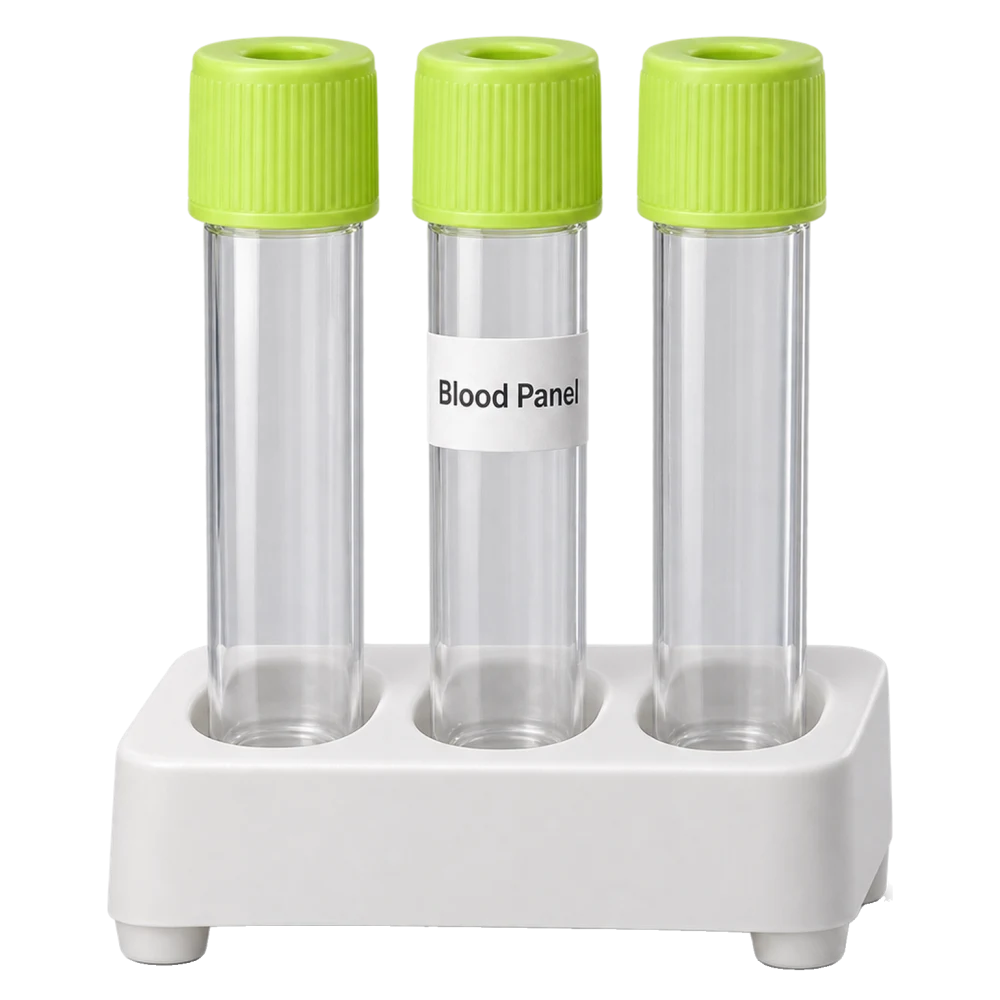
Blood draw at a lab near you. One time.
$229A broad snapshot of everyday health markers from 1 blood draw.
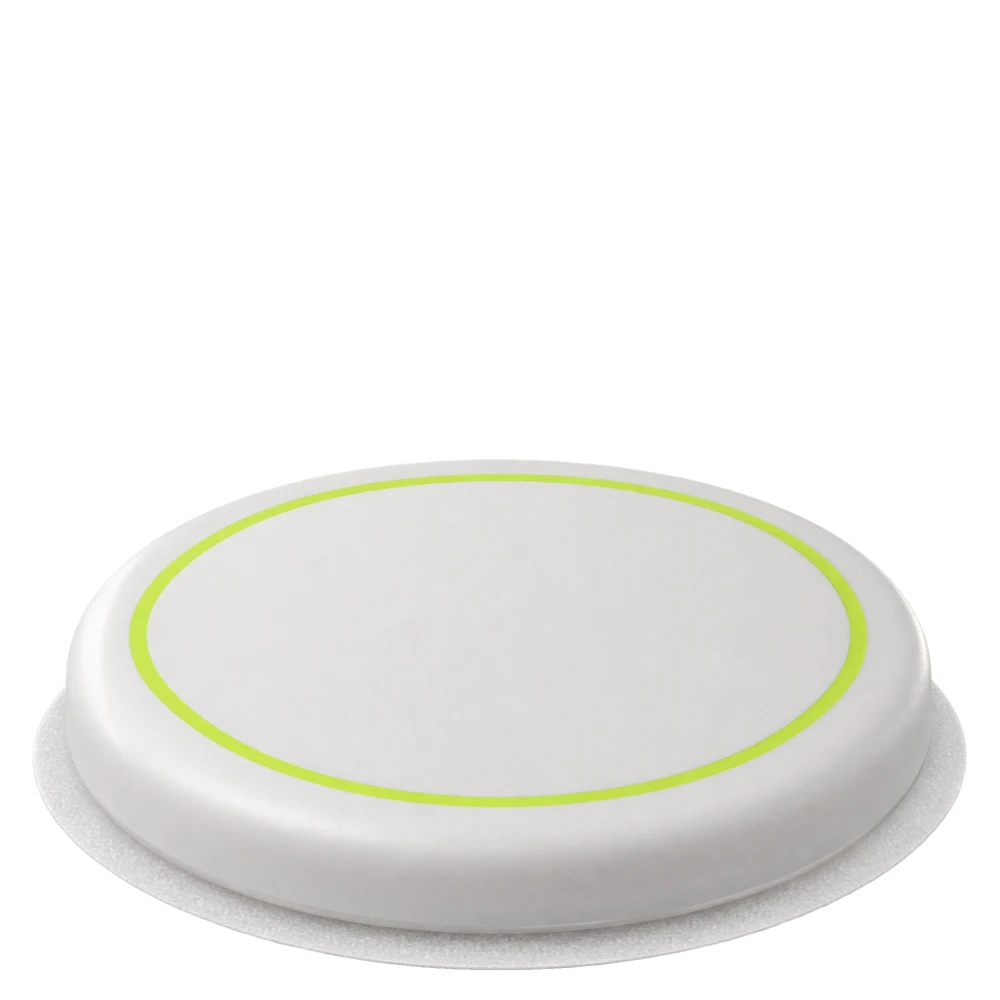
Wearable sensor. 1 sensor per order.
$198See how your meals, exercise and sleep move your glucose.
Blood draw. One time.
$599A blood panel people choose for an interest in healthy aging.
Pictures are illustrations, except brand-name medications, which are pictured in the manufacturer's own packaging. Peak Protocol Rx does not compound or dispense medication. If a physician prescribes any other treatment, it comes from a licensed pharmacy in that pharmacy's own packaging and labeling, and it will not look like its picture.
A test does not diagnose a condition. Share your report with your own doctor.
A test does not diagnose a condition. Share your report with your own doctor.
A negative result does not rule out cancer.
The Galleri® test is a screening test that looks for a signal. It is not a diagnosis, and it does not replace the screening tests your own doctor recommends. Read its limits before you order.
A negative result does not rule out cancer. Lab results are not reviewed by a licensed physician unless you add the $89 results review. Share your report with your own doctor.
These sources are for general education. They do not replace advice from a licensed physician.
A listing here is not a recommendation. A licensed physician evaluates you and decides whether any treatment is appropriate. Availability varies by state.
Individual results vary. No outcome is guaranteed.
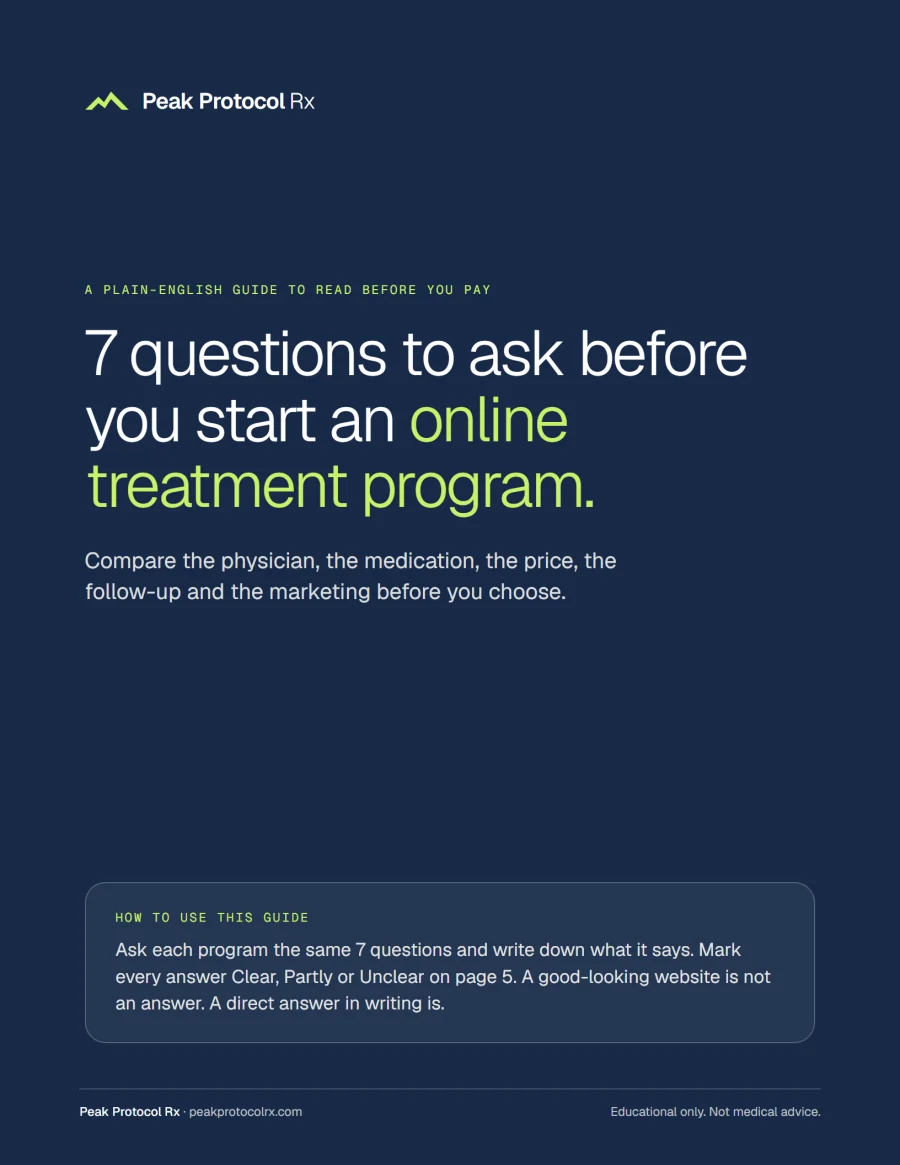 6 pages. No health questions.
A free checklist for comparing programs before you pay. It opens here as soon as you sign up.